12 January 2026 · Retail Labs
AI Models, Vogue, and the Debate on Representation in Fashion
AI imagery has reignited the representation debate in fashion. Who's on the page, who's behind the model, and who pays?
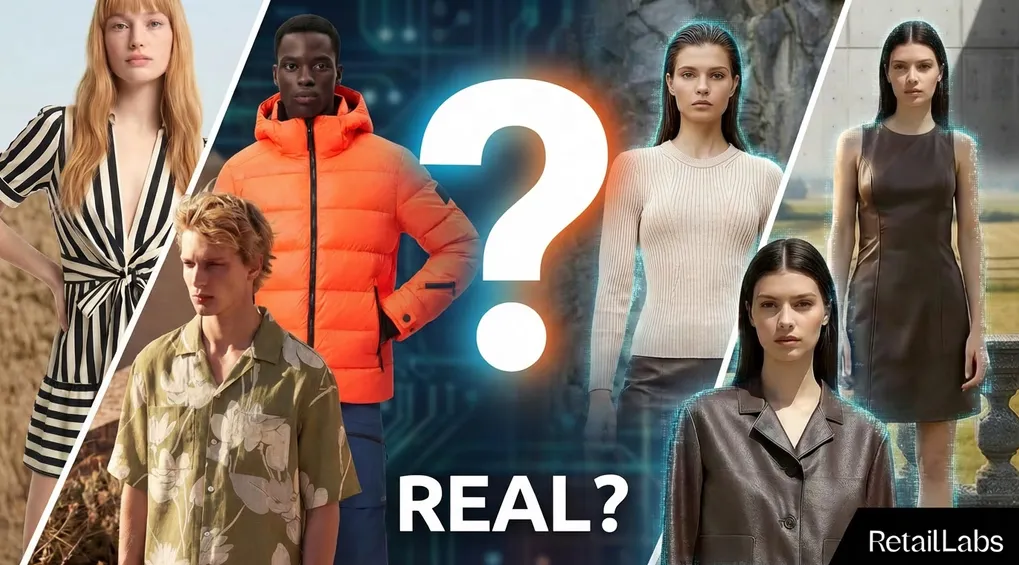
Vogue’s recent editorial decisions around AI imagery have put the representation question back at the centre of the conversation. The question isn’t new: but AI changes the texture of it.
What changed
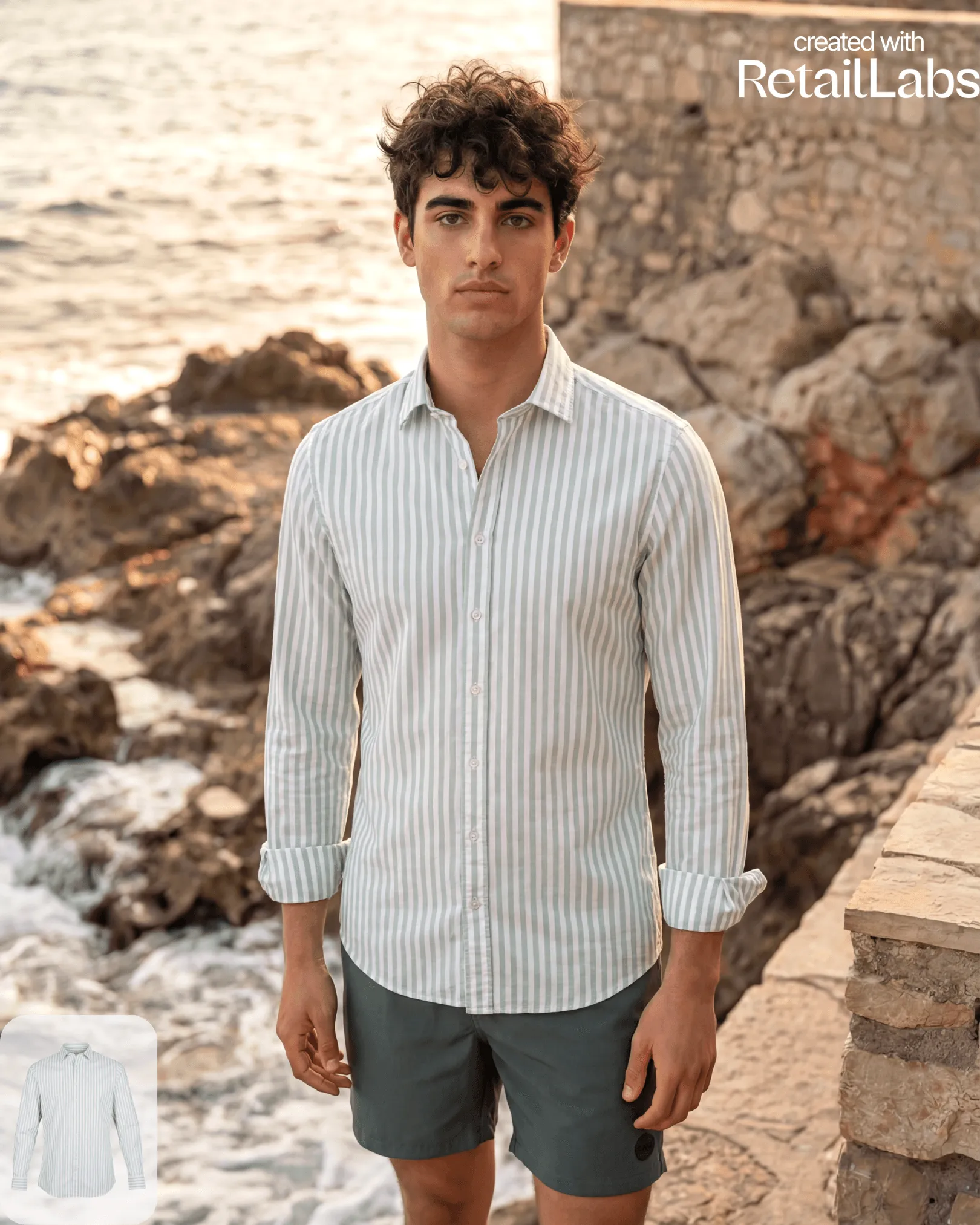
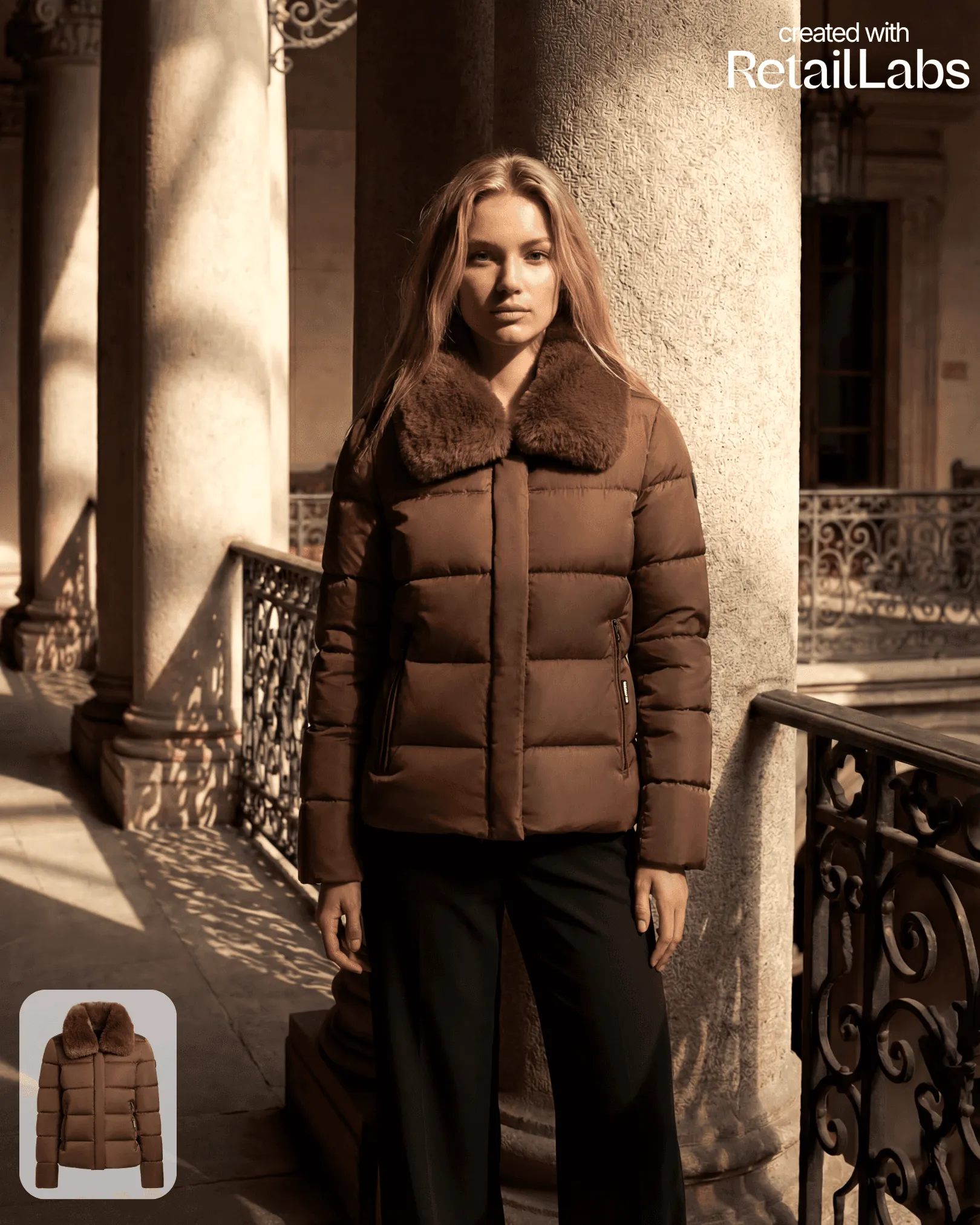
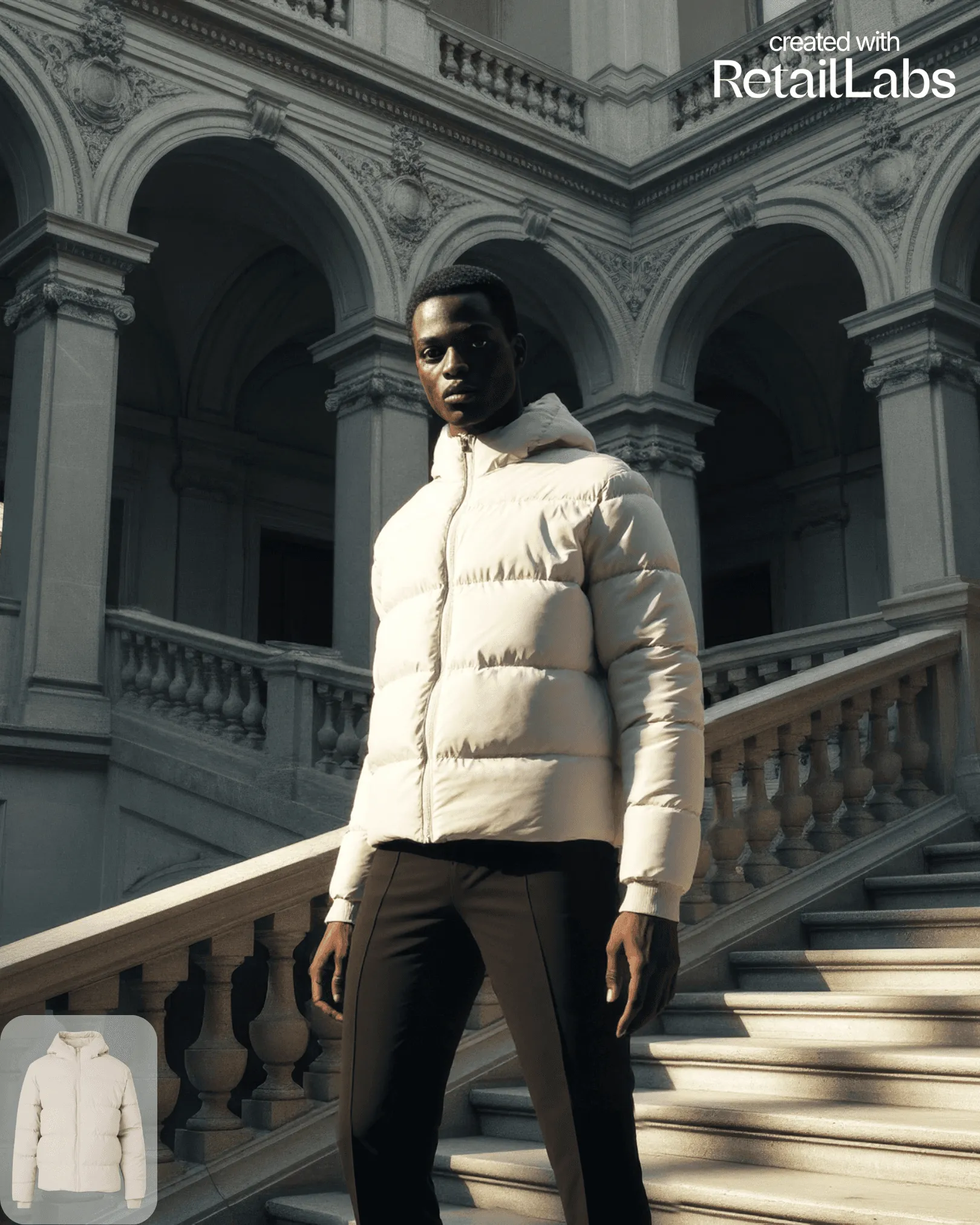
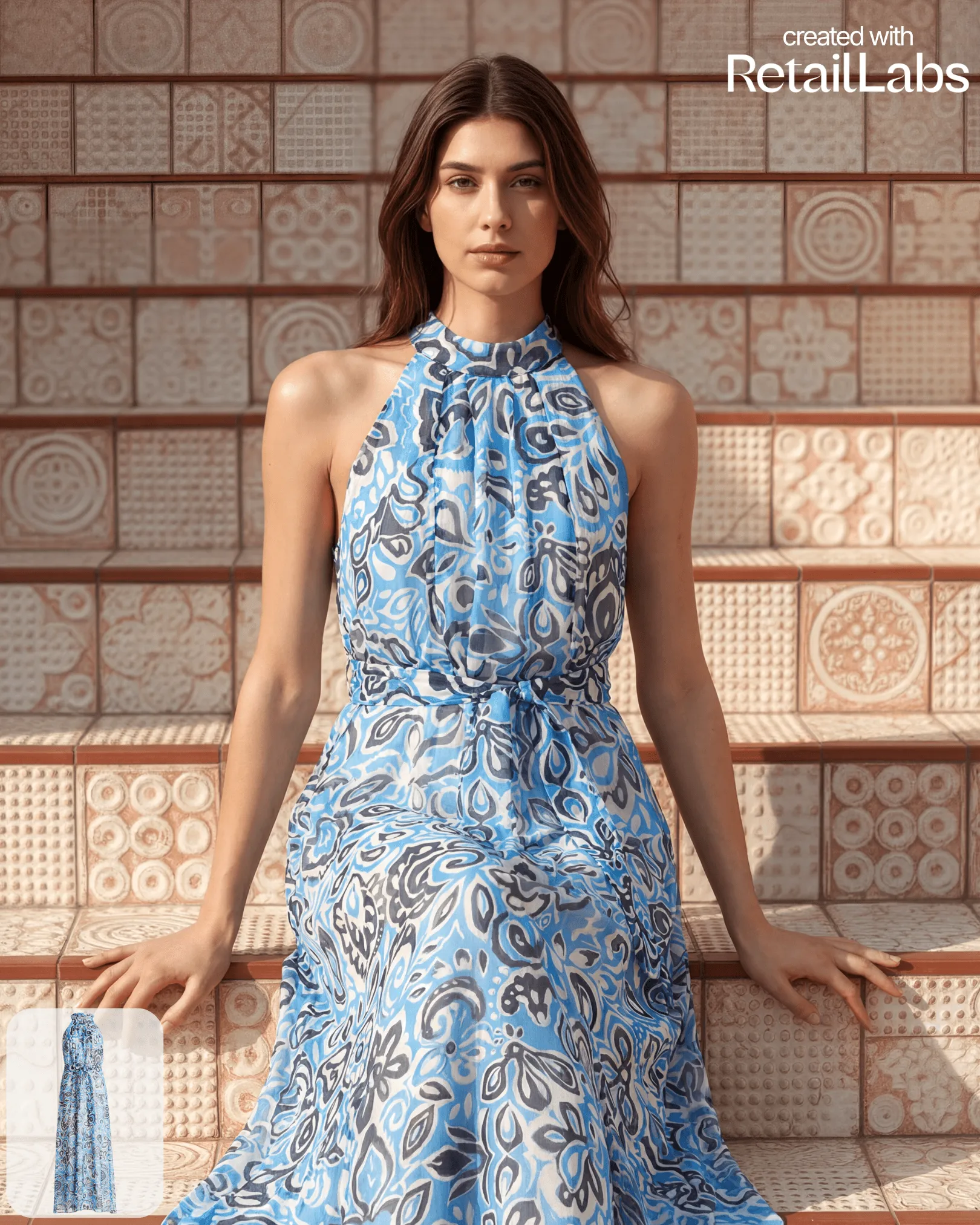
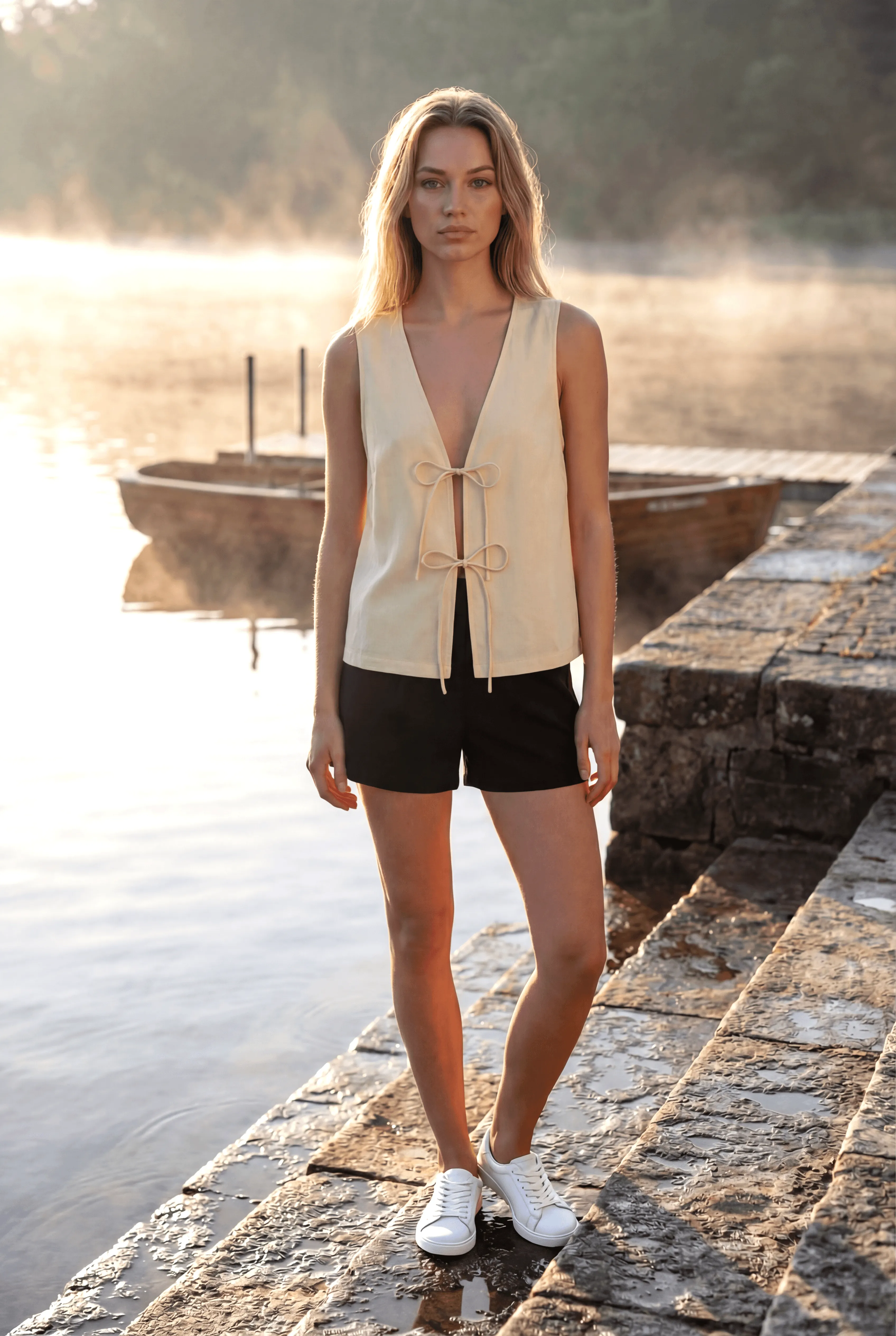
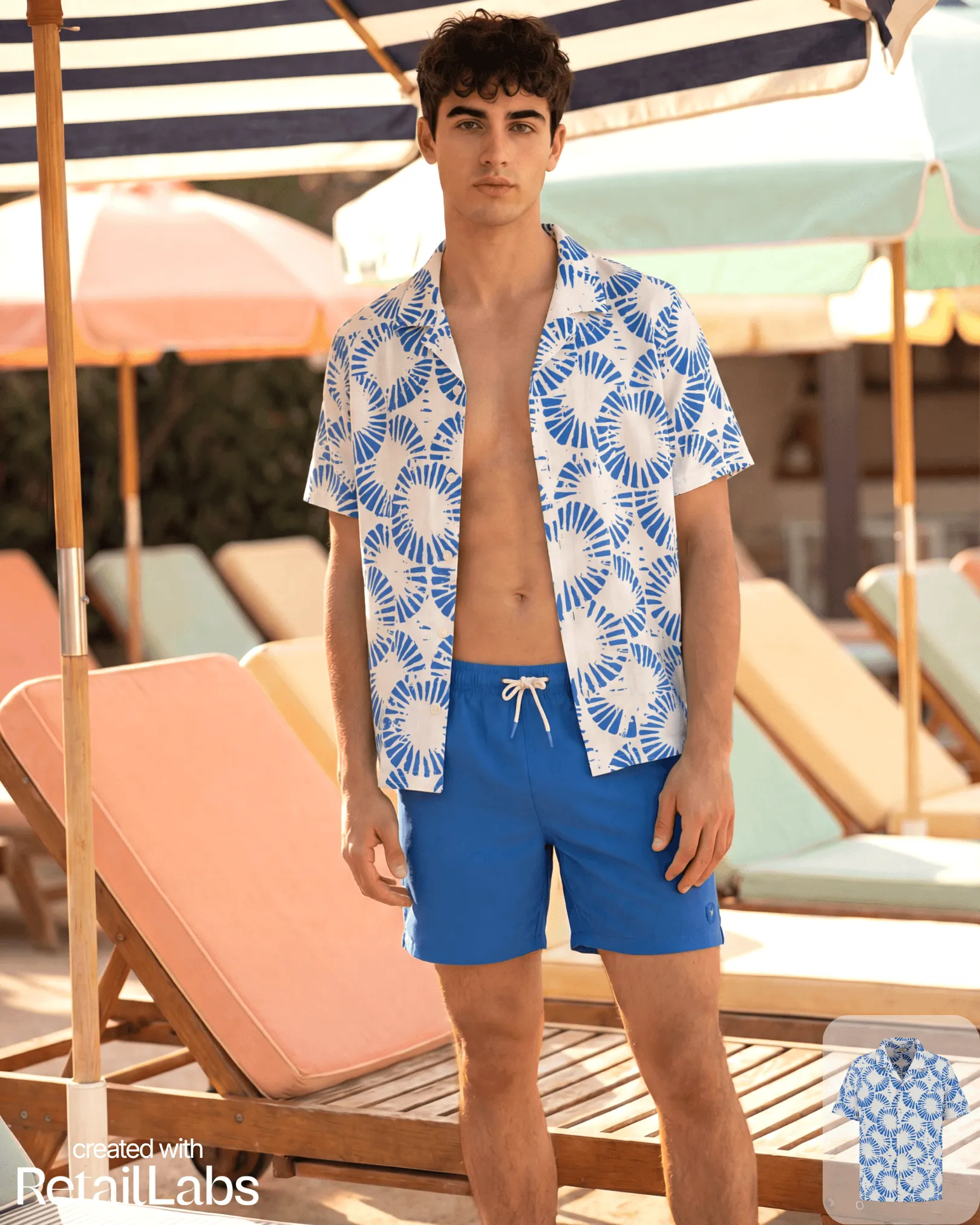
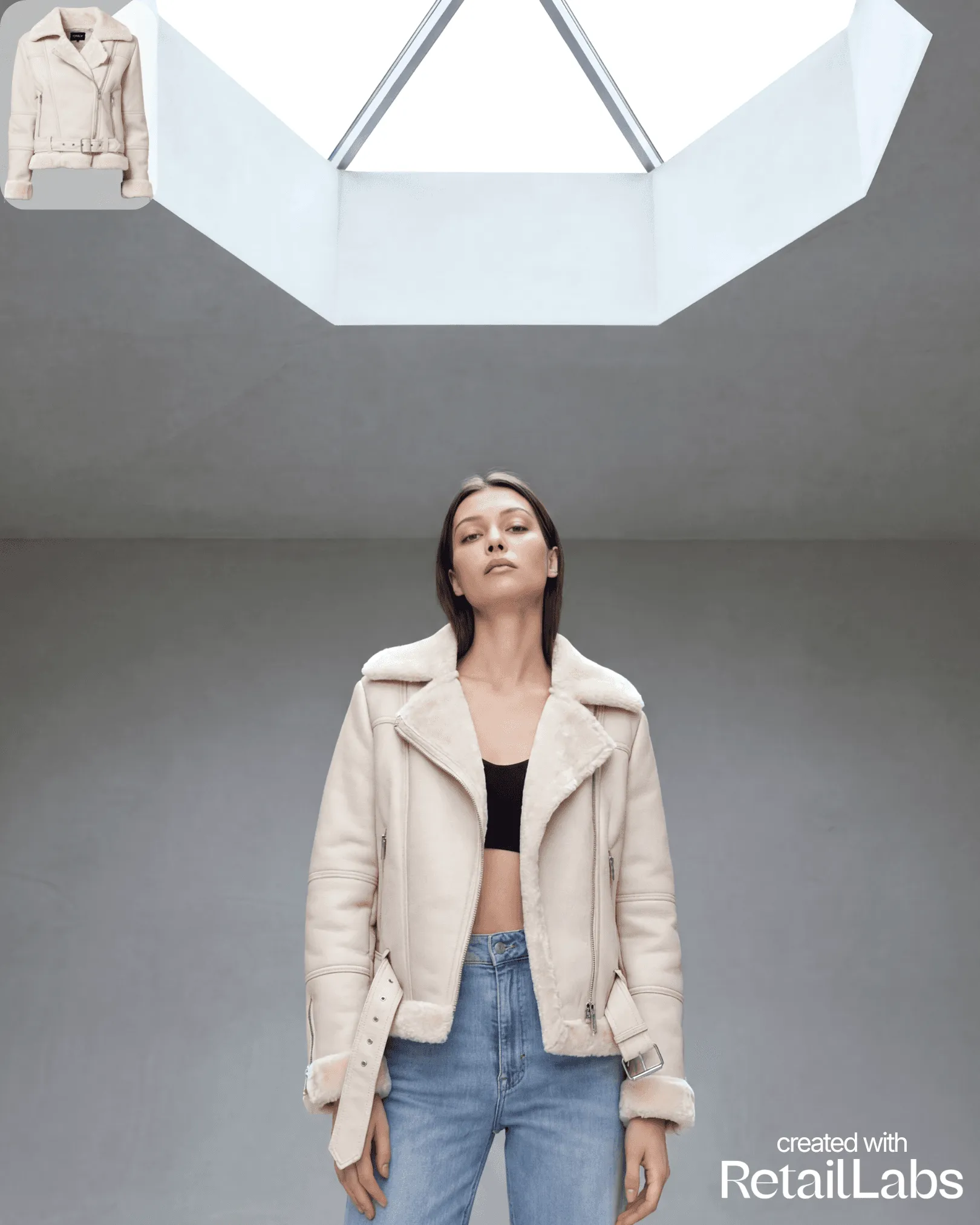
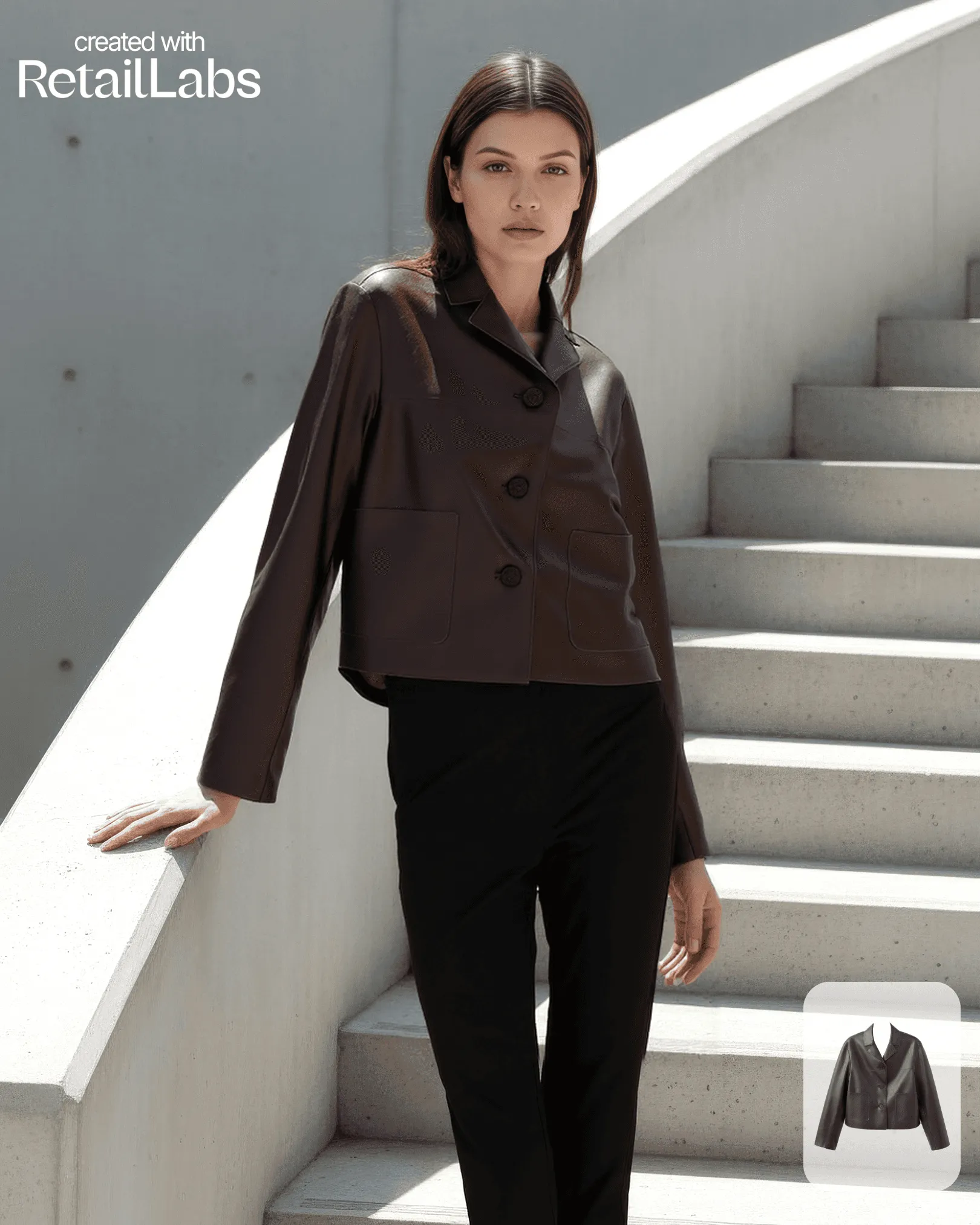
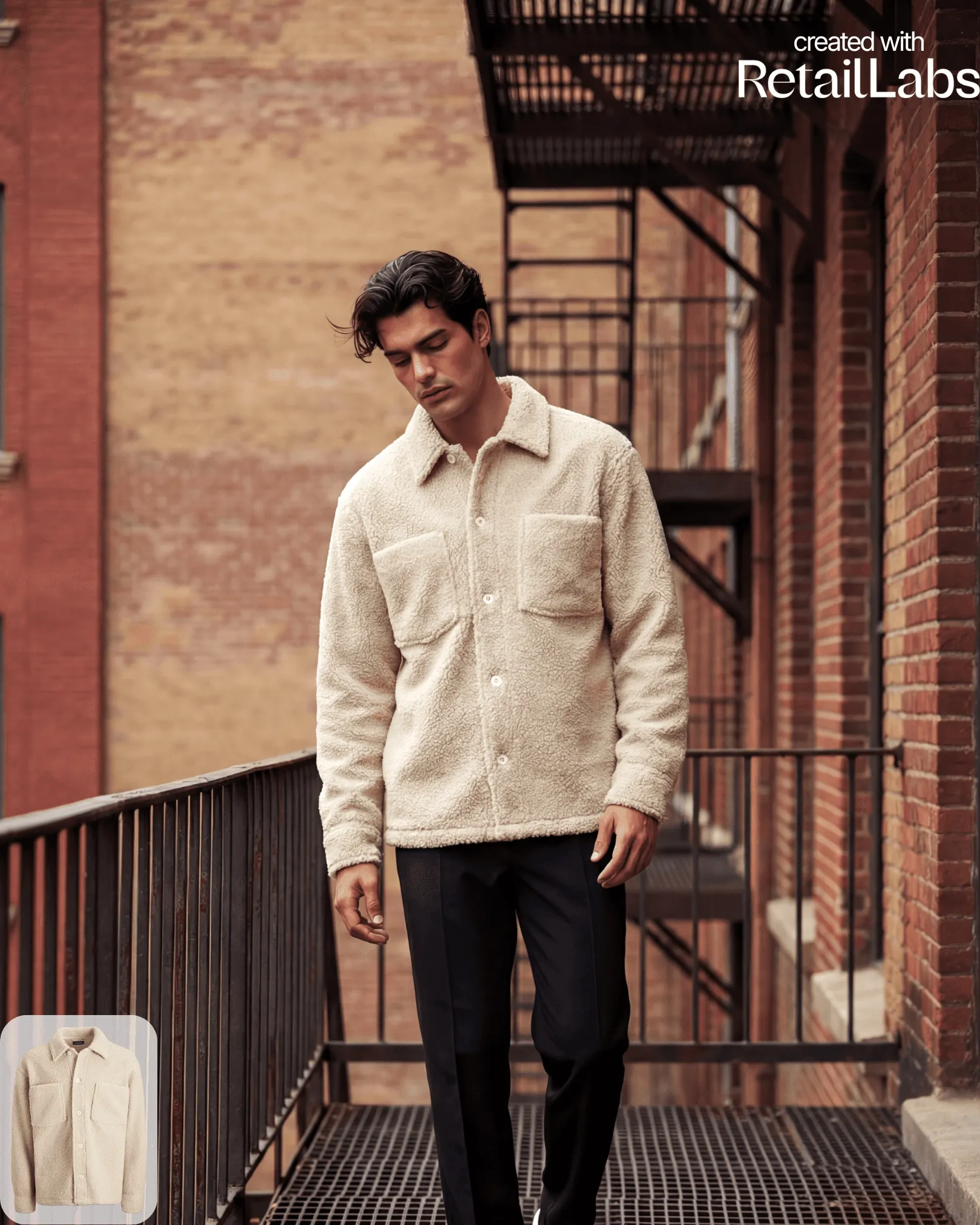
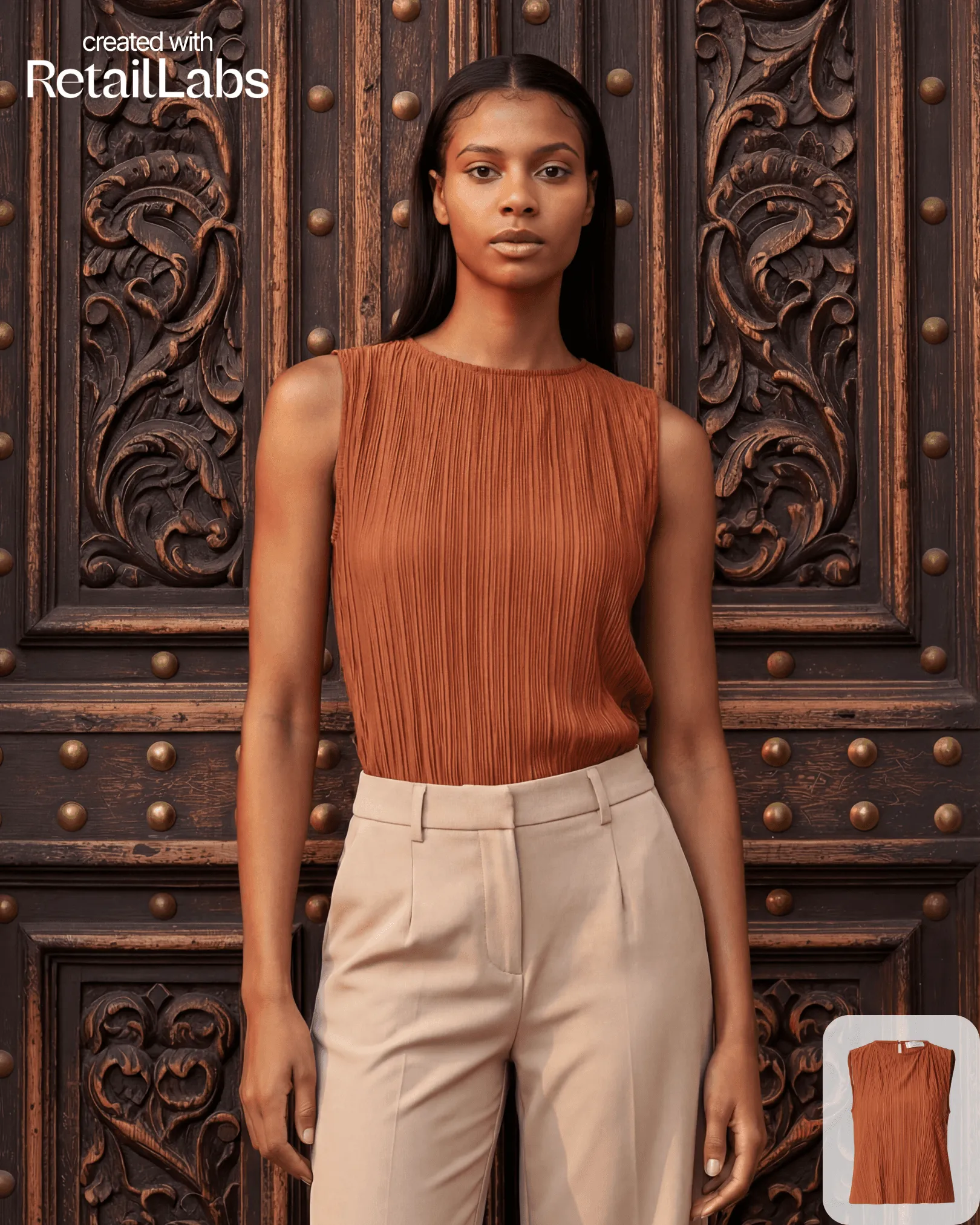
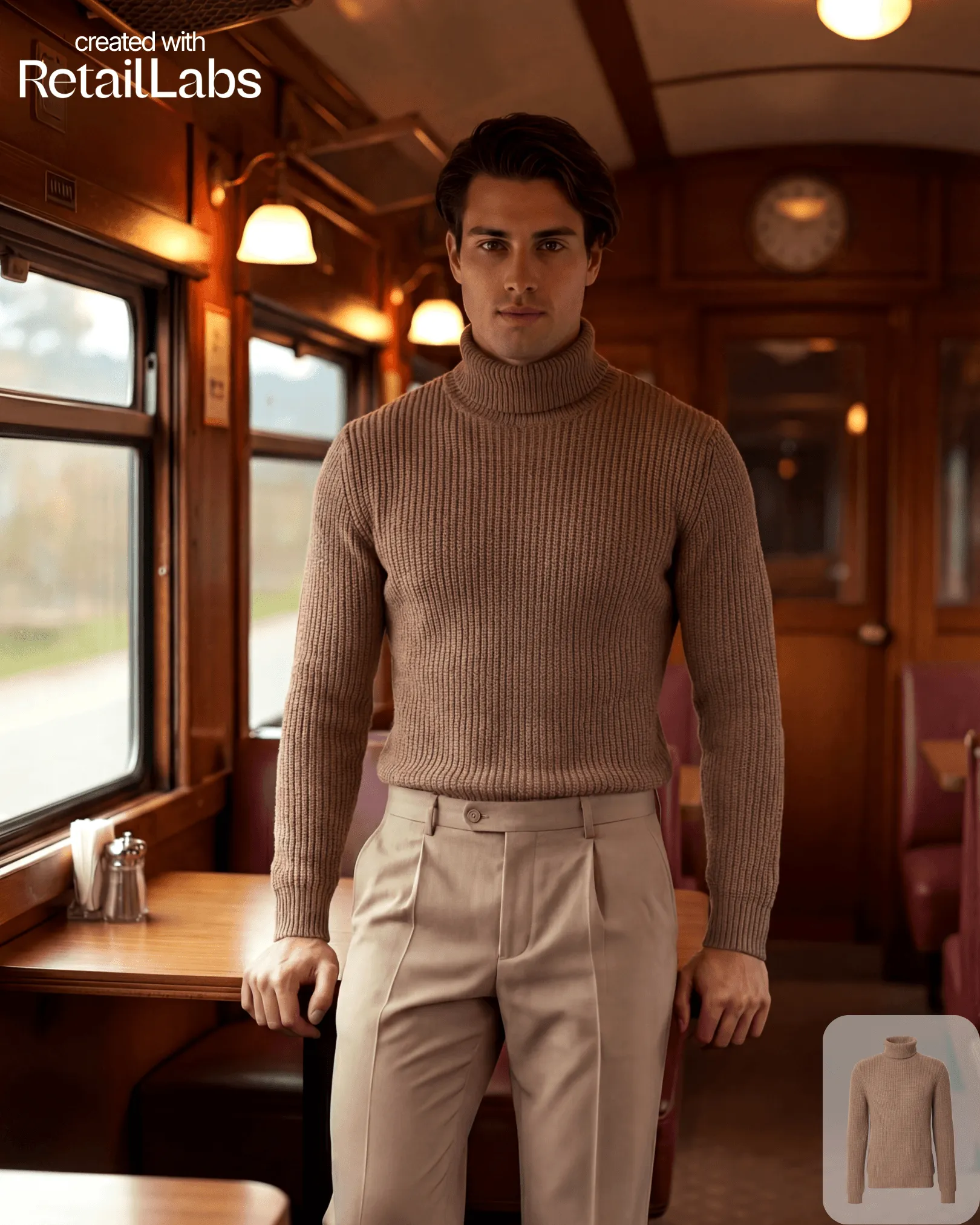
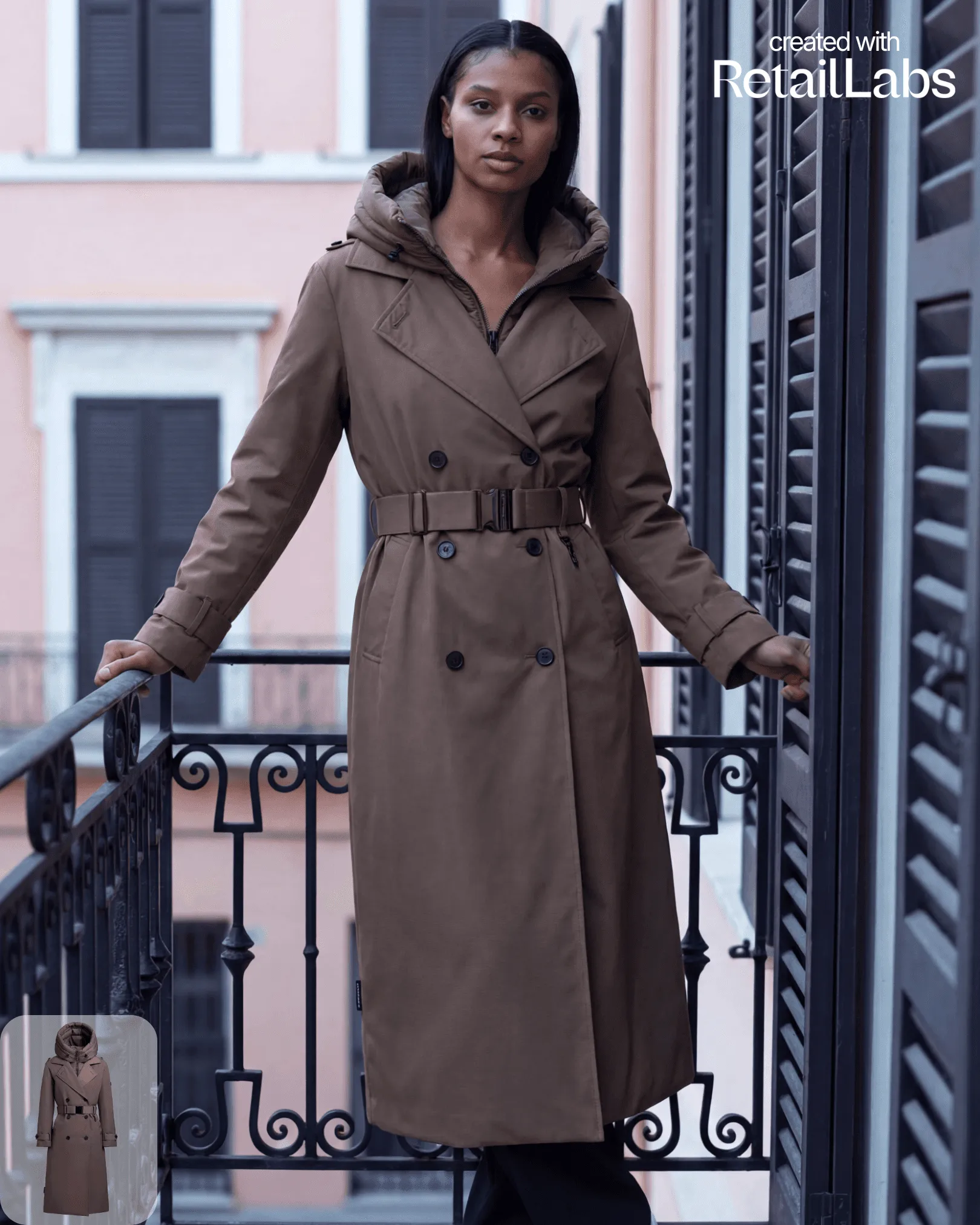
In a traditional shoot, casting decisions are public. You can see who was in front of the camera. With AI-generated models, a brand can produce content showing any face, any body, any background: without the documentary reality of a casting room behind it.
That’s a feature and a risk.
The feature
- A small brand can show genuinely diverse models without the budget for a full casting and travel.
- Underrepresented audiences see themselves in the imagery for products they actually buy.
- Stylists can A/B which model archetypes resonate with which customer segments without a 6-week feedback loop.
The risk
- Tokenistic diversity that looks right but isn’t backed by hiring or supplier diversity in the real world.
- Brands taking representation credit without the operational changes that representation actually requires.
- The flattening of distinctly human features into AI-averaged “diverse” composites.
What practitioners can do
Use AI to amplify representation work that’s already real, not to substitute for it. That means:
- Hire diverse photographers, stylists, art directors. AI doesn’t replace these roles.
- Build custom AI models in collaboration with consenting people from the communities you’re representing.
- Show the work. Audiences know the difference between visible diversity and lived diversity, eventually.