14 January 2026 · Retail Labs
AI Waves Reach Fashion: Zara Joins the Shift to Virtual Models
Zara's recent move toward AI-generated model imagery is a clear signal that virtual models are entering mainstream e-commerce.
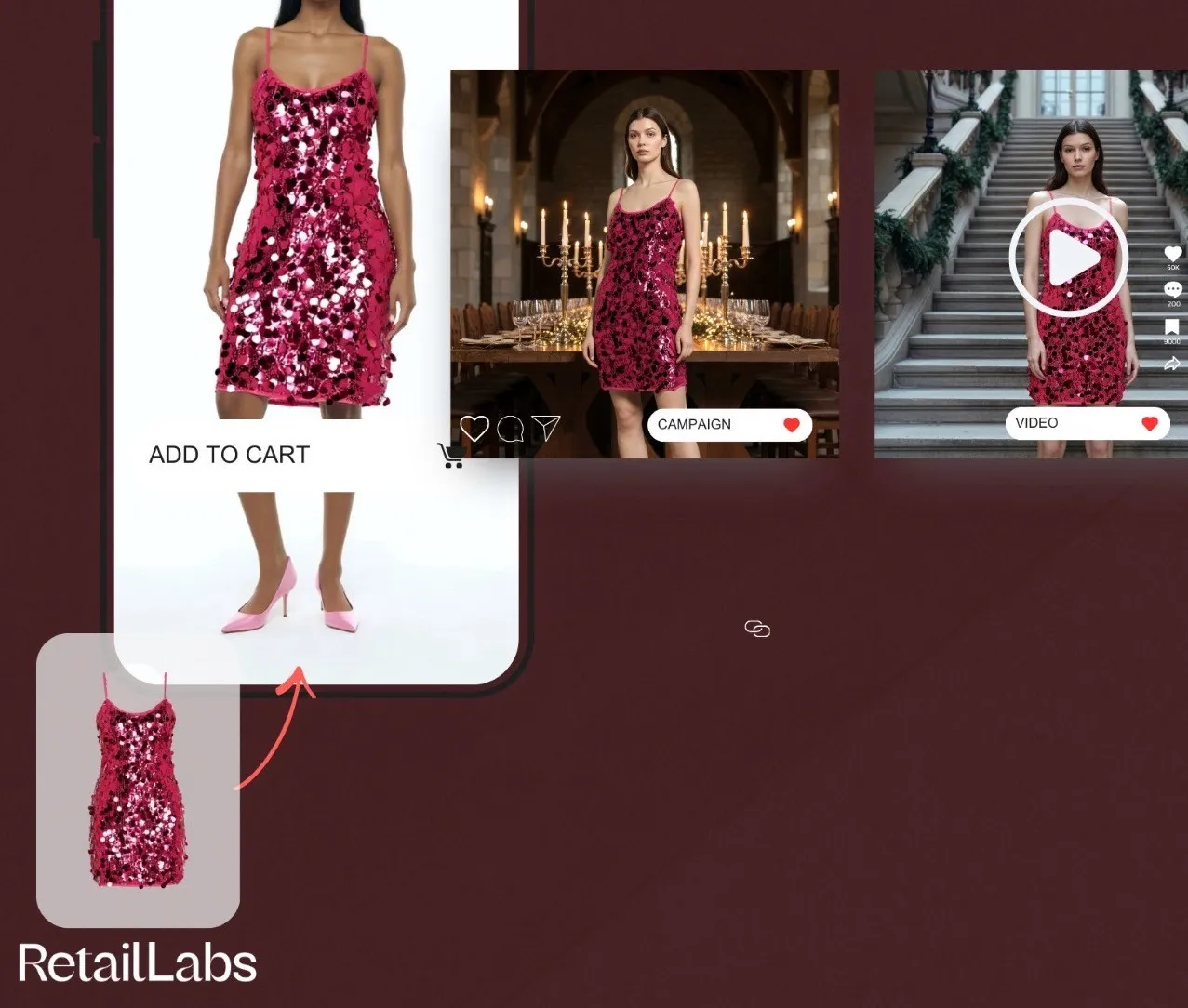
Zara’s quiet rollout of AI-generated model imagery on selected product pages is a meaningful signal: the largest fast-fashion retailer in the world has moved from experimentation to operational use.
What Zara is doing
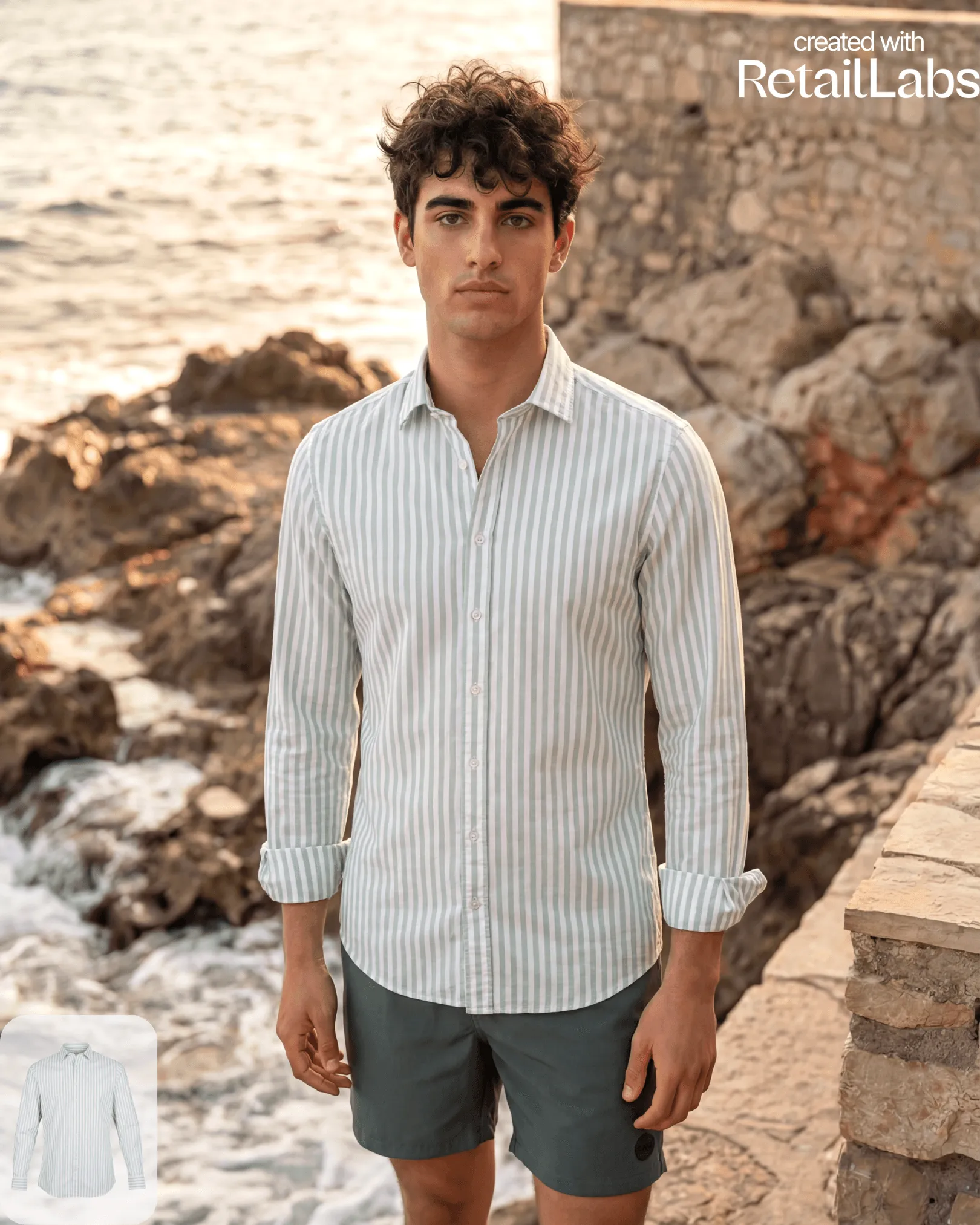
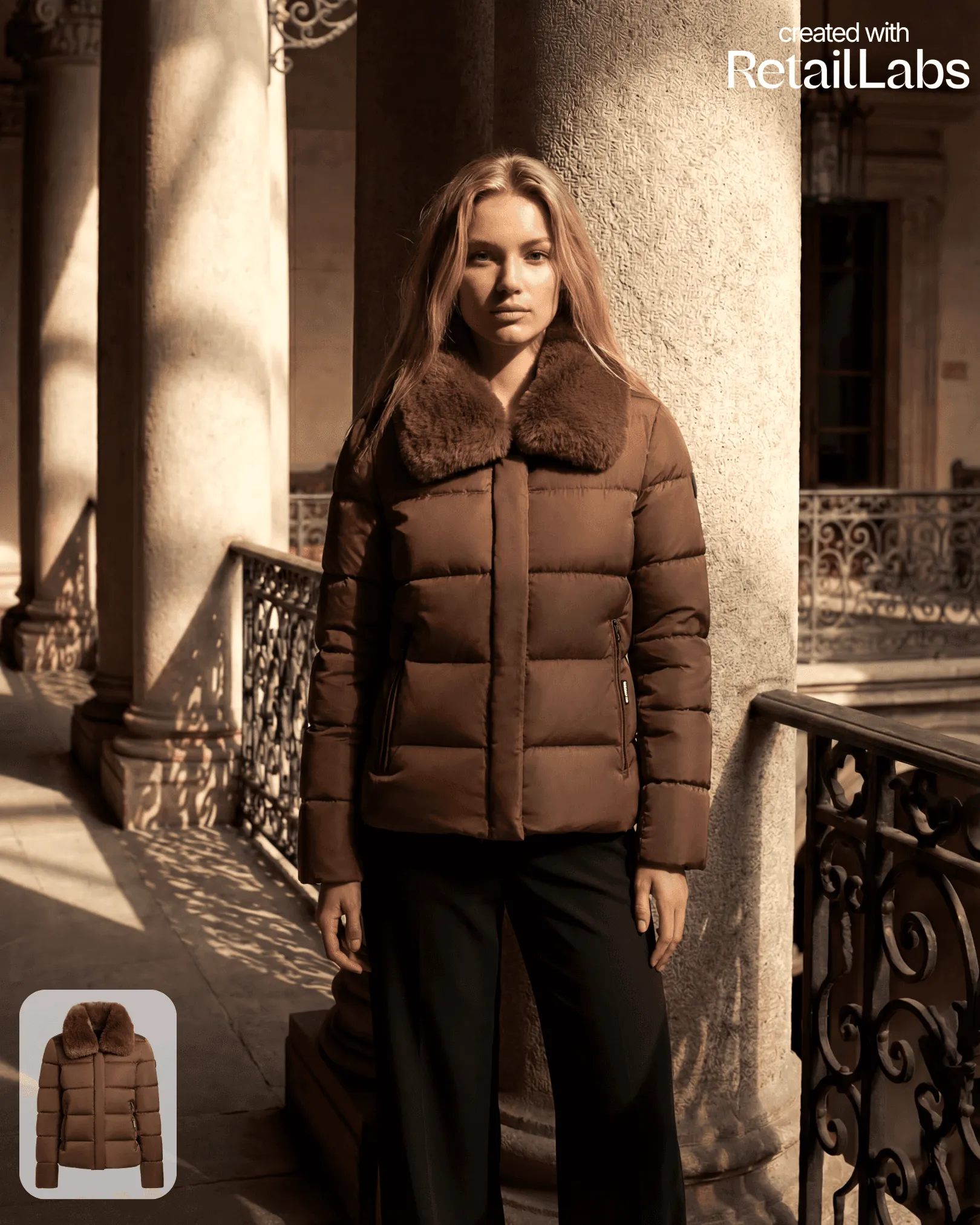
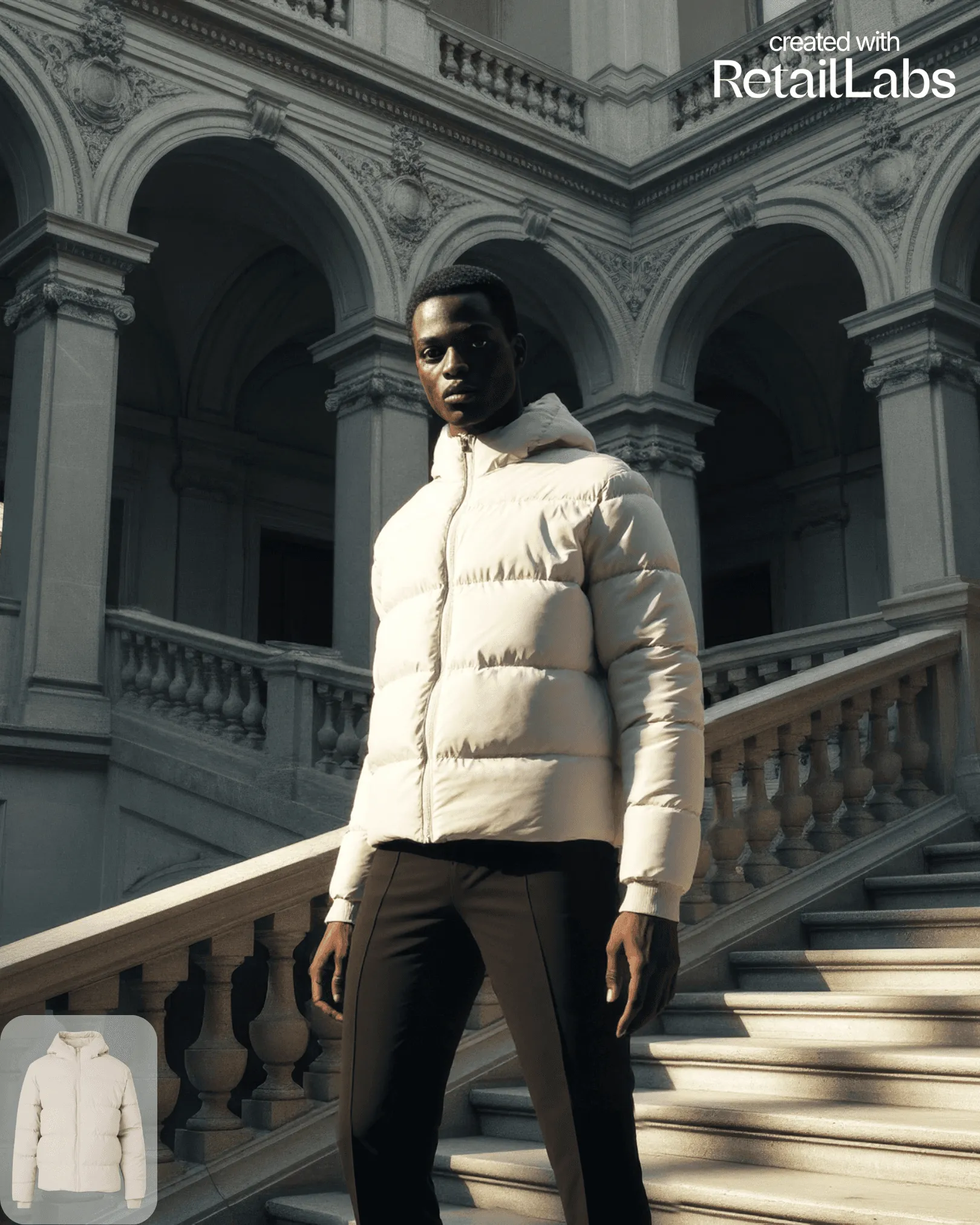
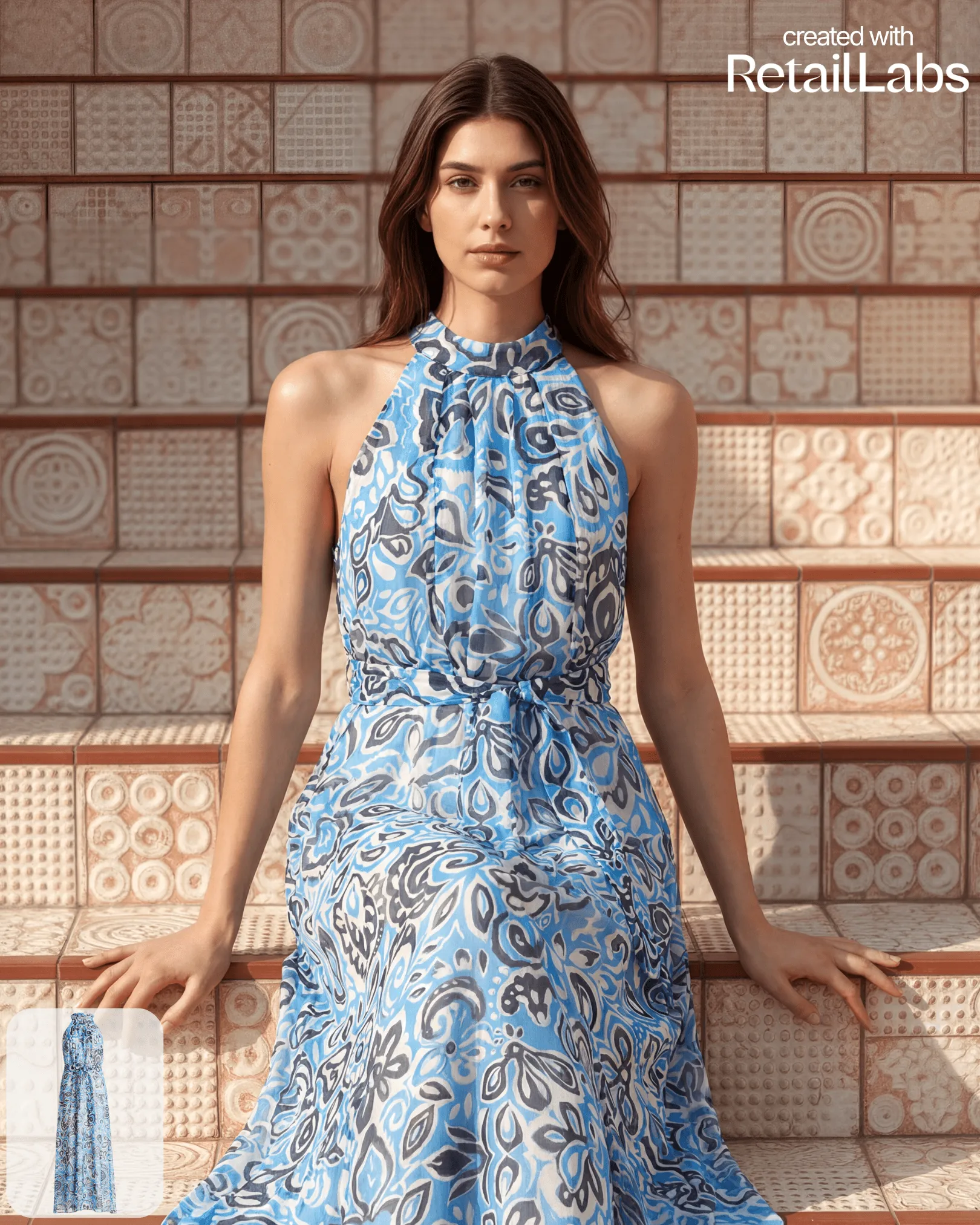
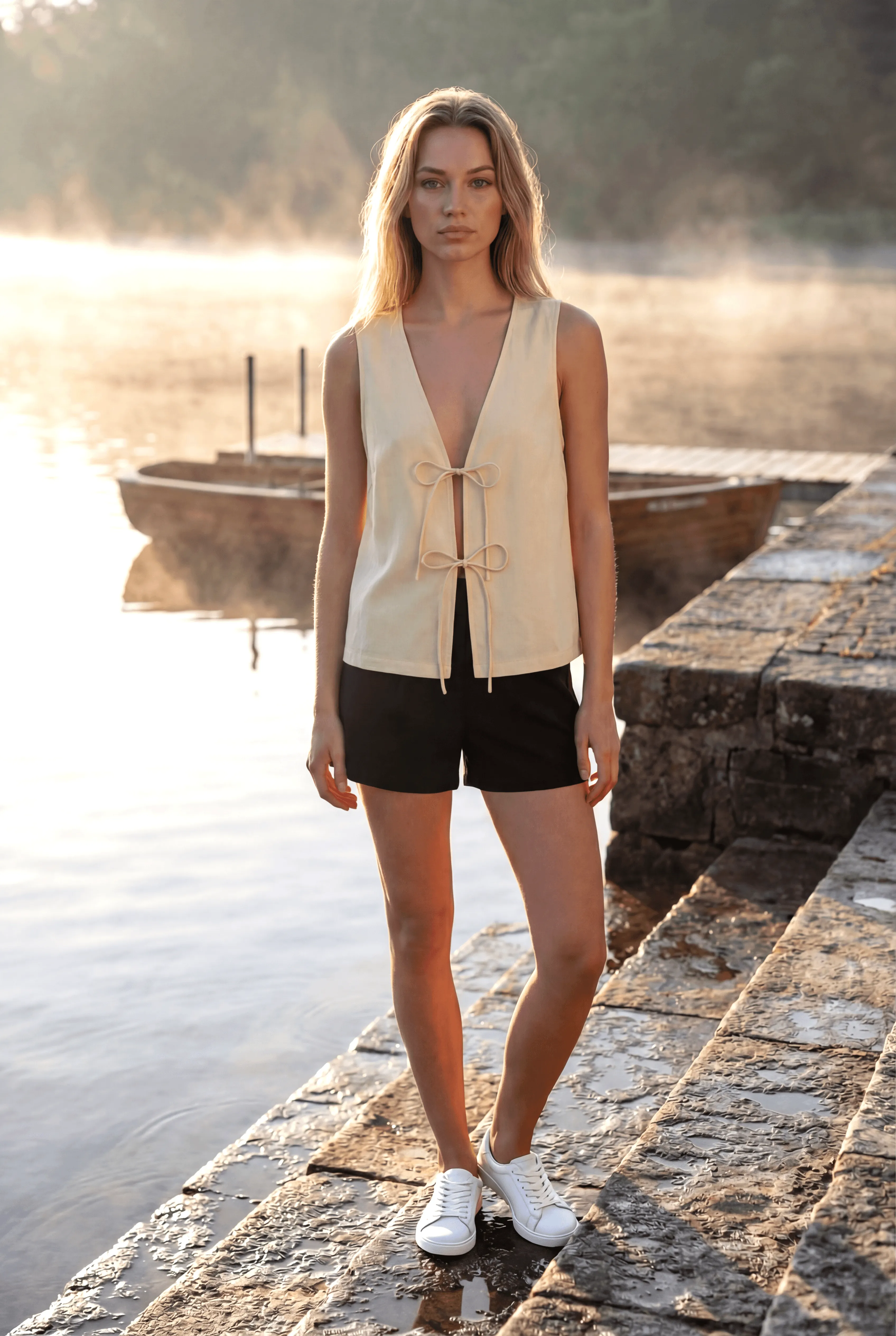
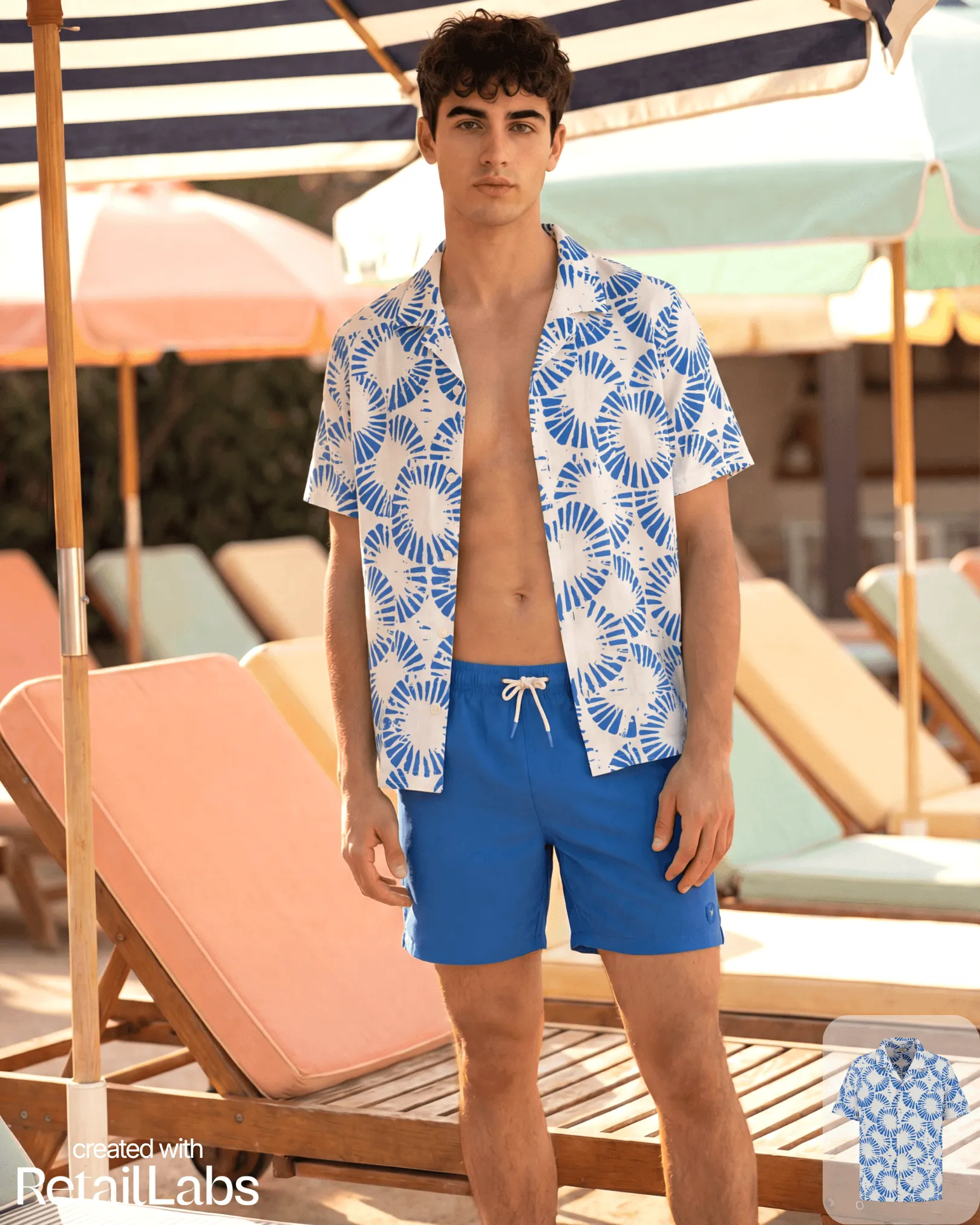
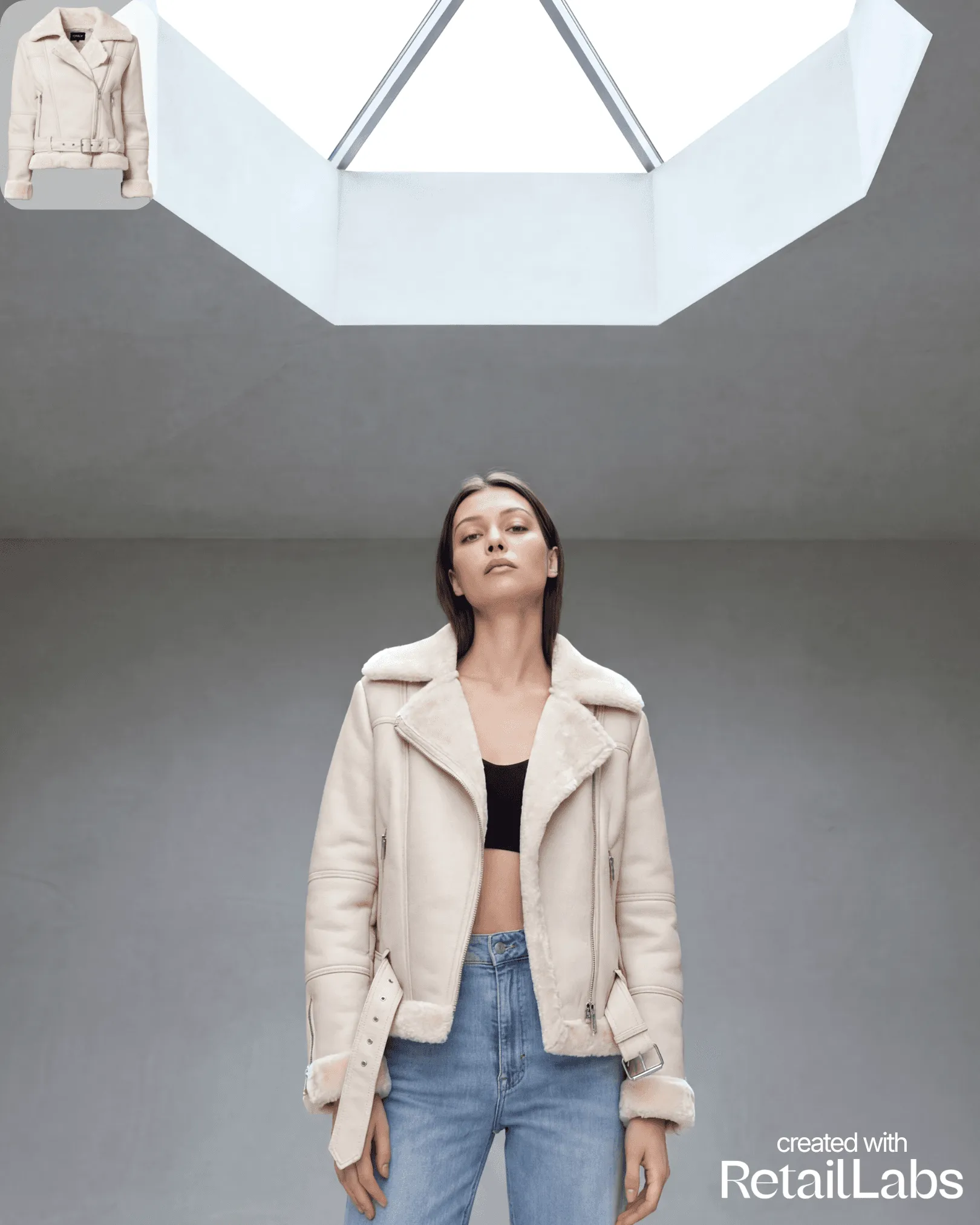
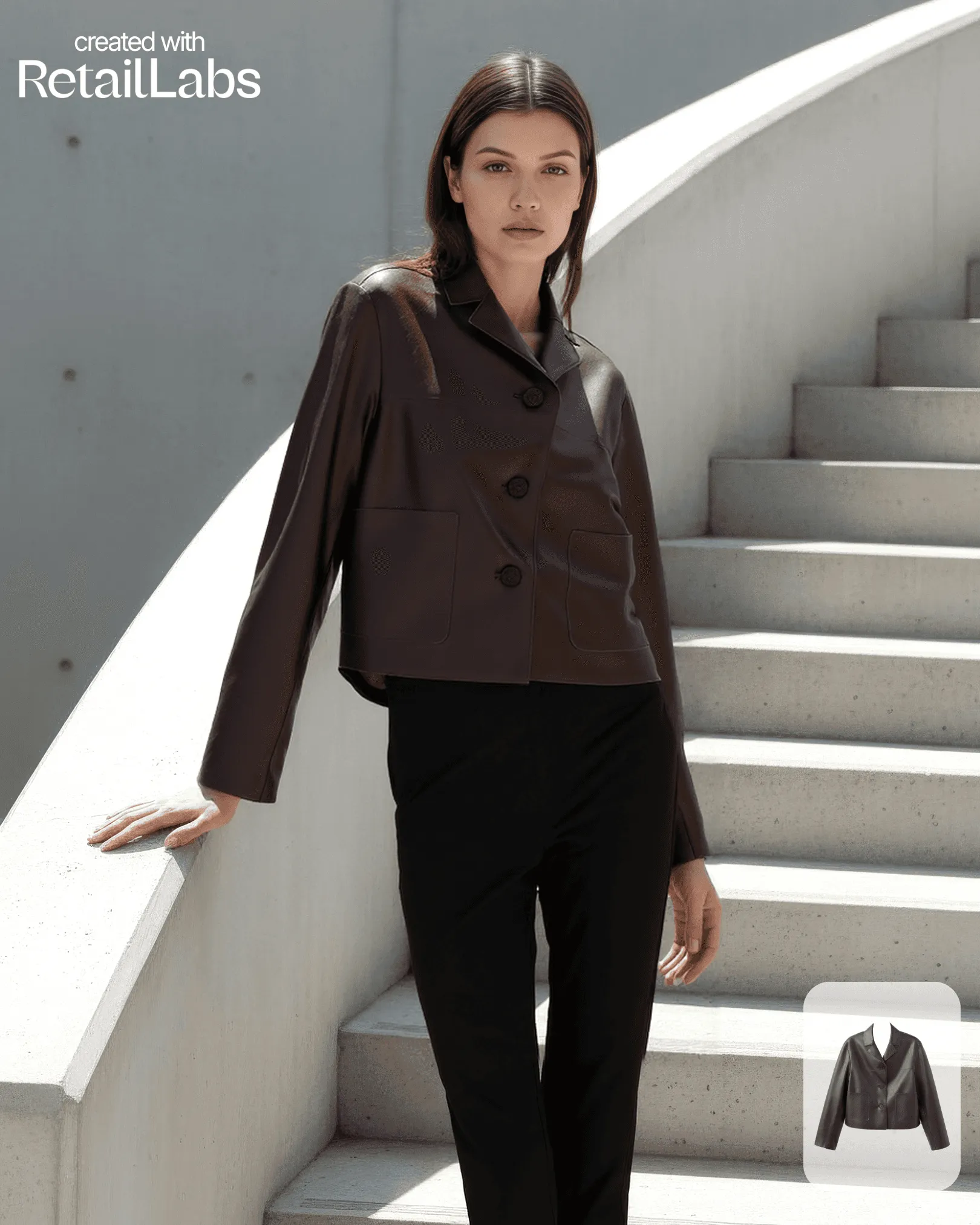
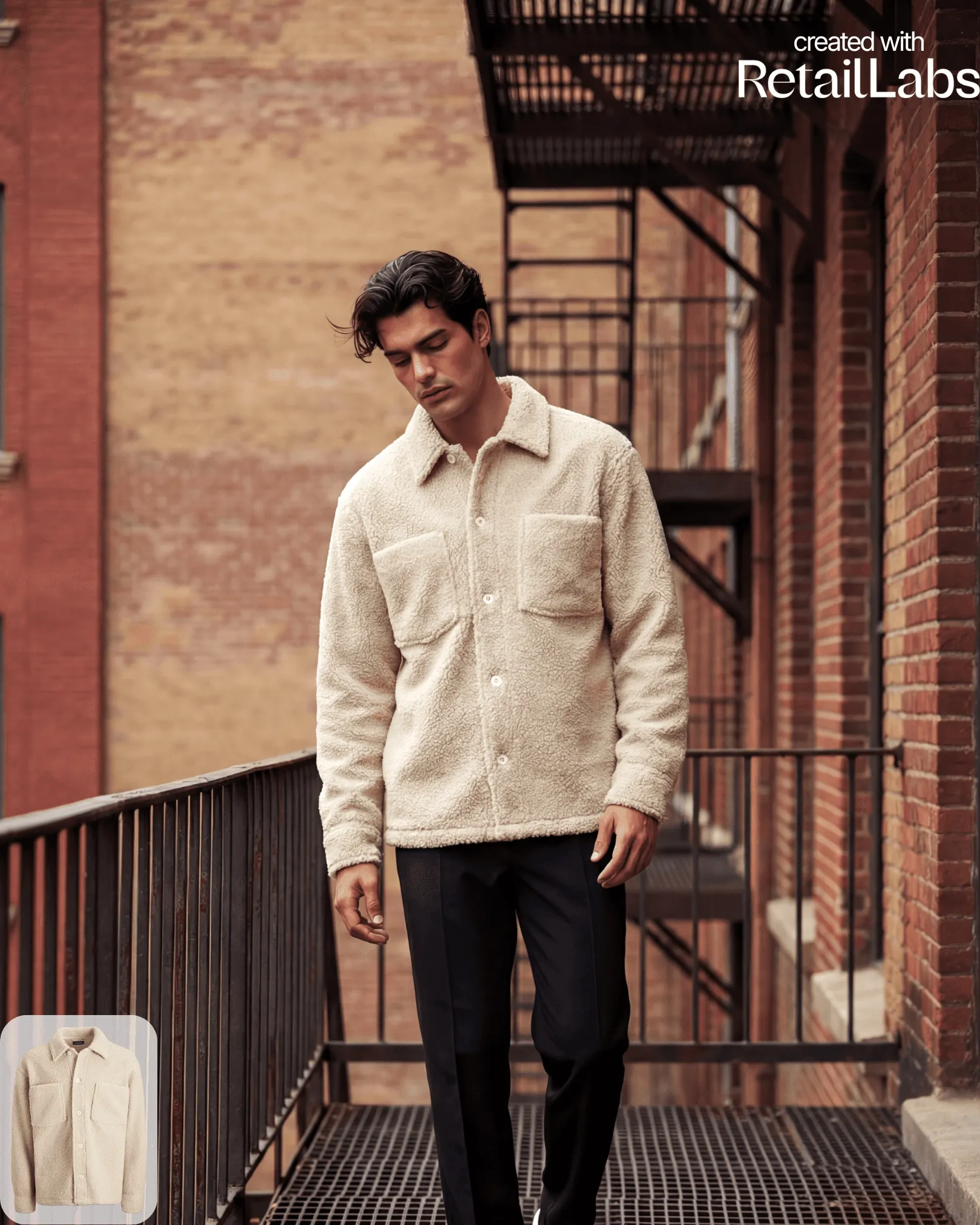
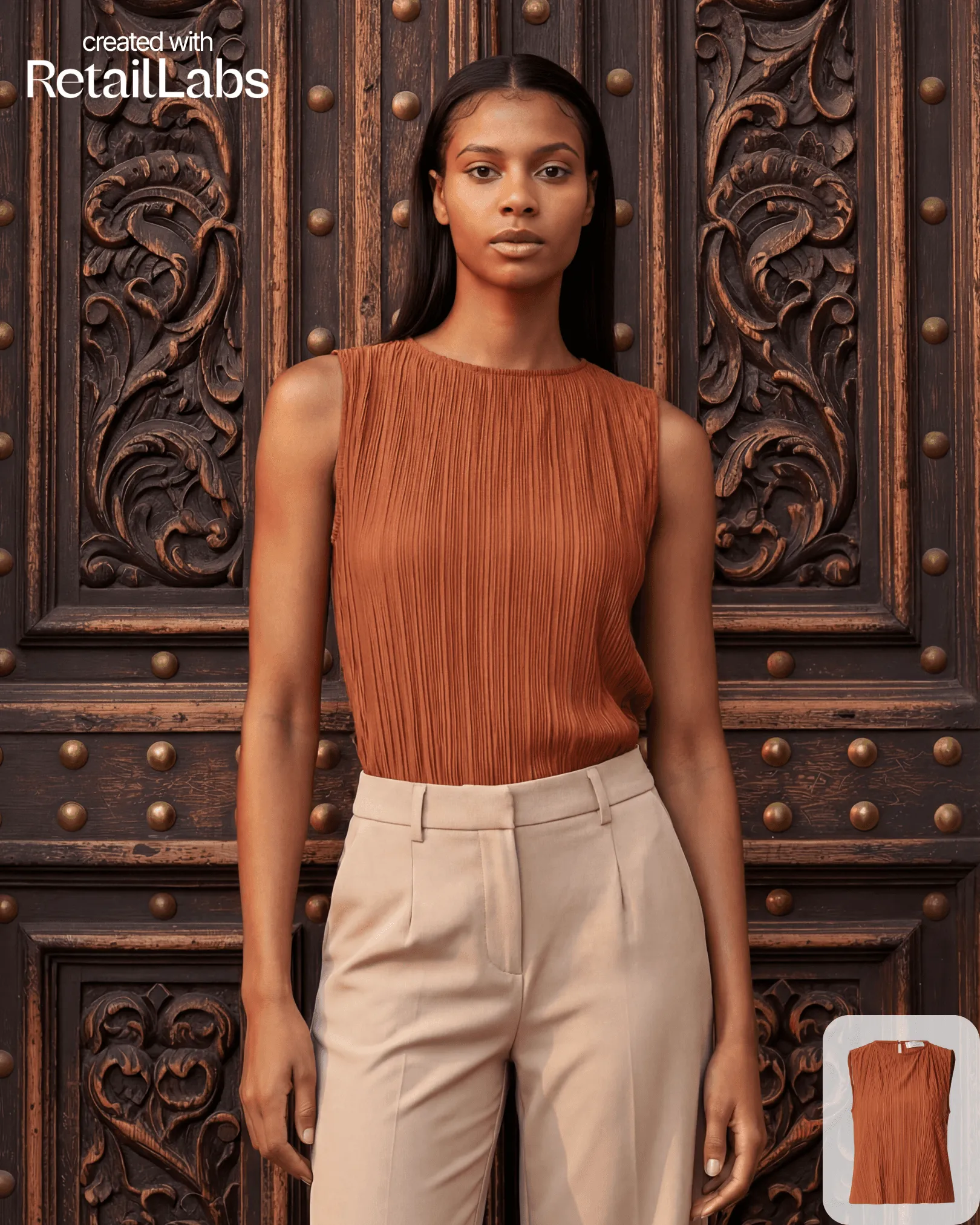
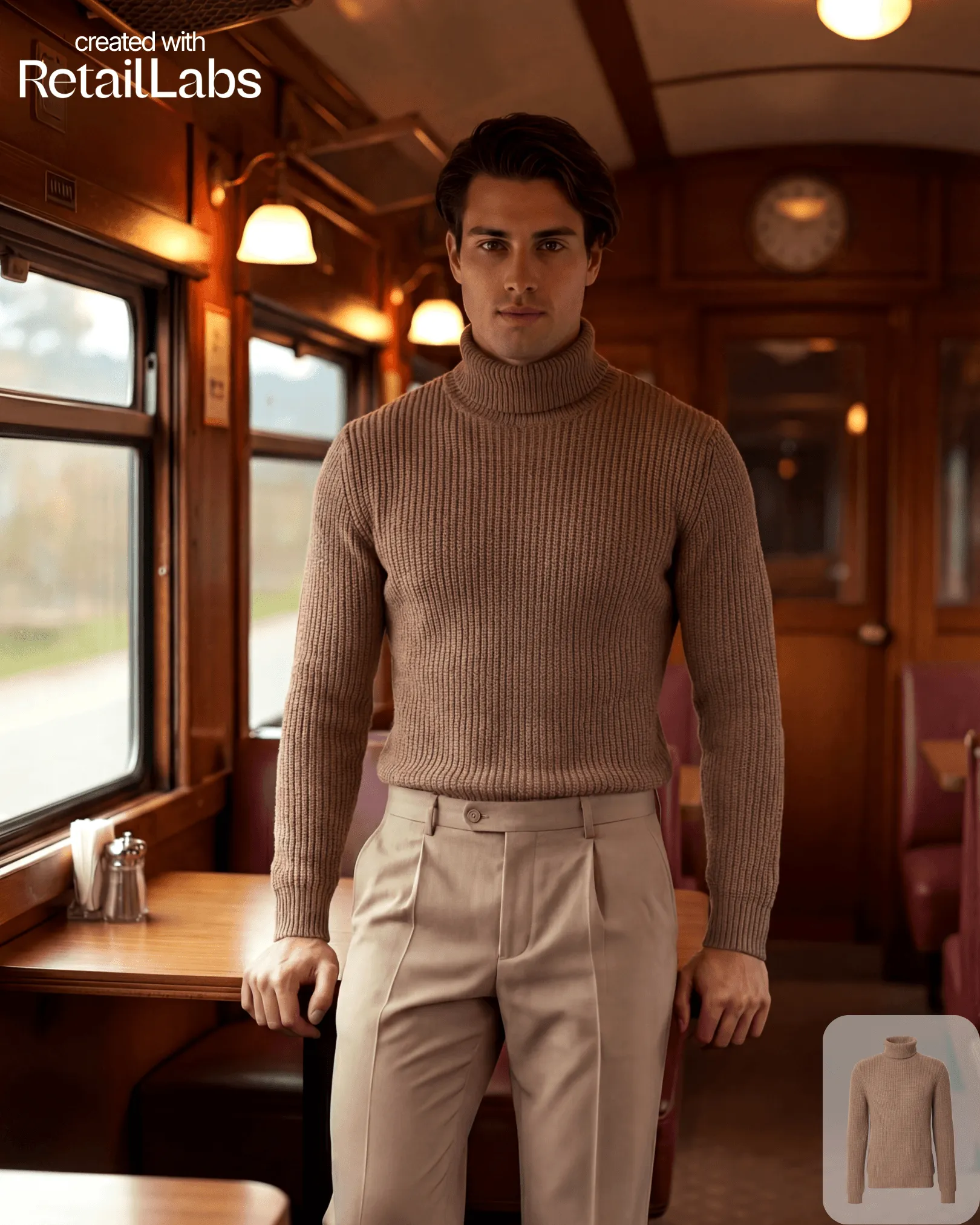
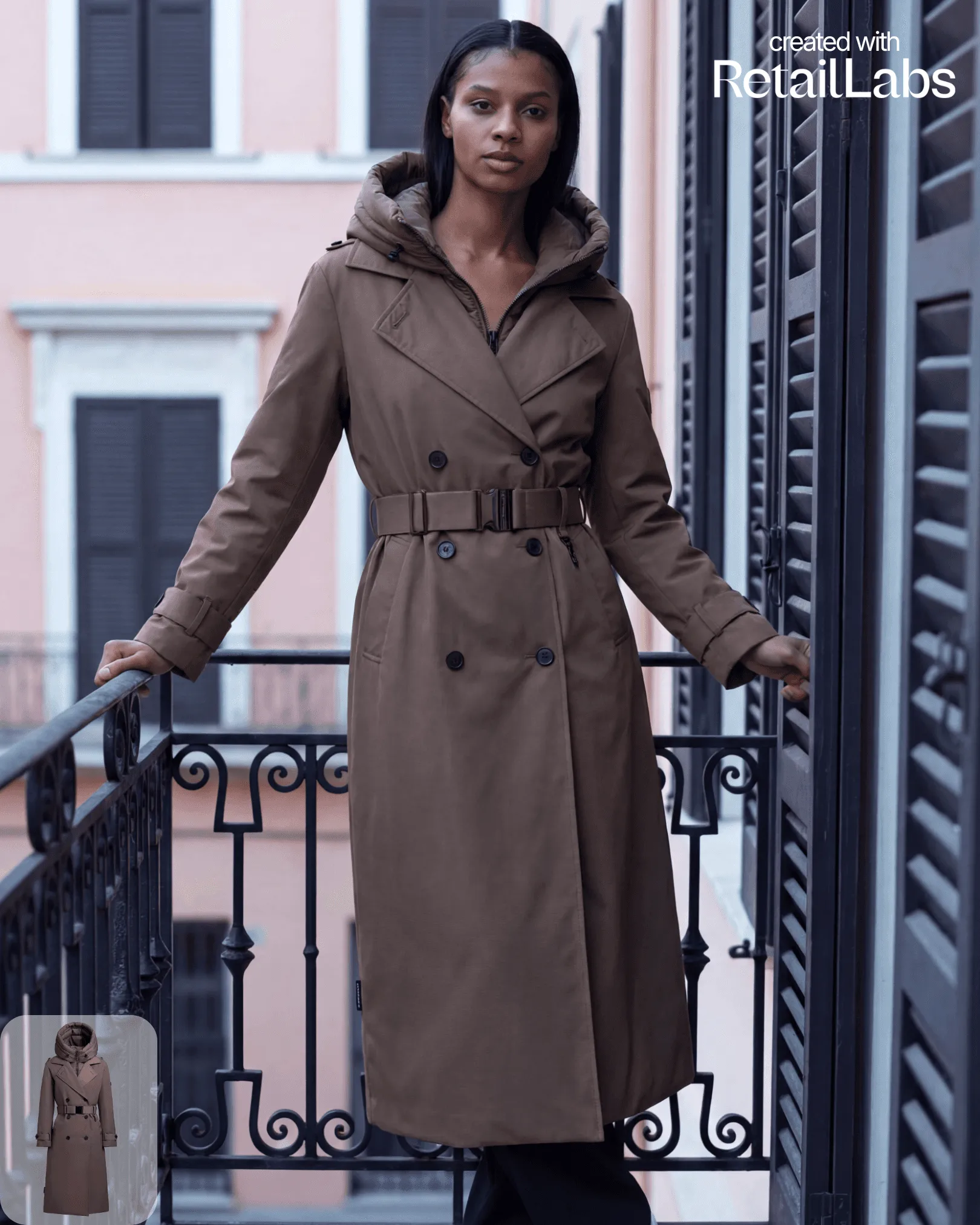
Selected product detail pages now feature on-model imagery generated entirely from product input: no shoot, no studio, no traditional retouching. The garments are real; the model and scene are AI.
Why it matters
Fast fashion lives and dies on time-to-shelf. Traditional shoots take 6–10 weeks from sample arrival to live PDP. Zara has compressed that to days, which means catalogue refreshes that used to be quarterly events can now happen monthly: or weekly.
This isn’t just a cost story. It’s a responsiveness story. Brands that can refresh imagery weekly will outpace brands that refresh quarterly, even at parity prices.
What this means for everyone else
Three takeaways for the rest of the market:
- The competitive bar moves. Once the largest player normalises AI imagery, mid-market brands competing on the same shelves can’t justify slower pipelines.
- The reference work doesn’t disappear. Zara still runs full editorial campaigns. AI lives in catalogue, not in the brand-defining work.
- Tooling matters. The advantage is in how cleanly you can integrate AI into your existing content ops: not whether you use it.
For most brands, the question now is not should we adopt this but how fast can we operationalise it?