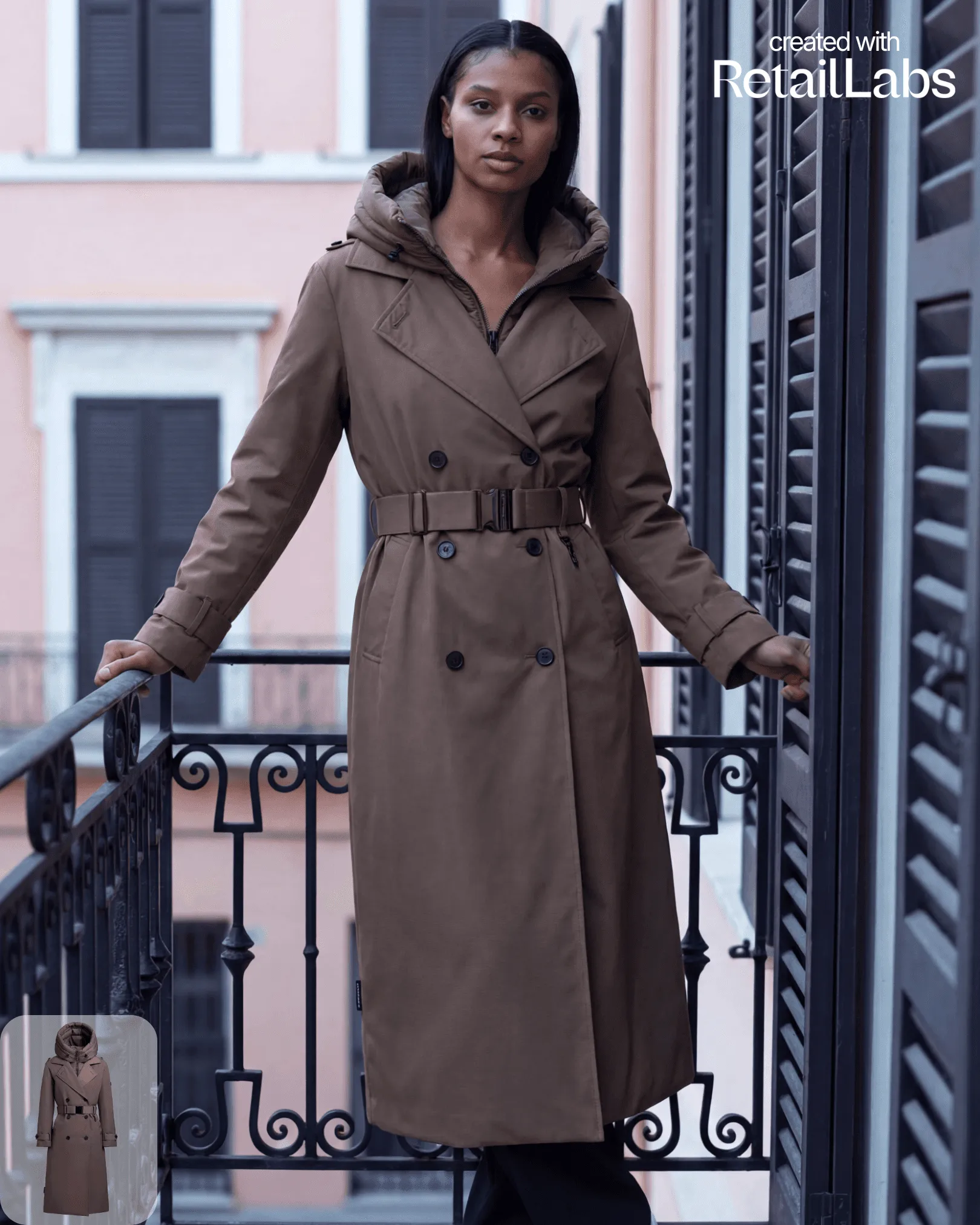
14 January 2026 · Retail Labs
Digital Twins in Fashion: Lessons from H&M's AI Models
H&M's AI model program creates digital twins of real models: what works, what's risky, and what the rest of the industry should learn.
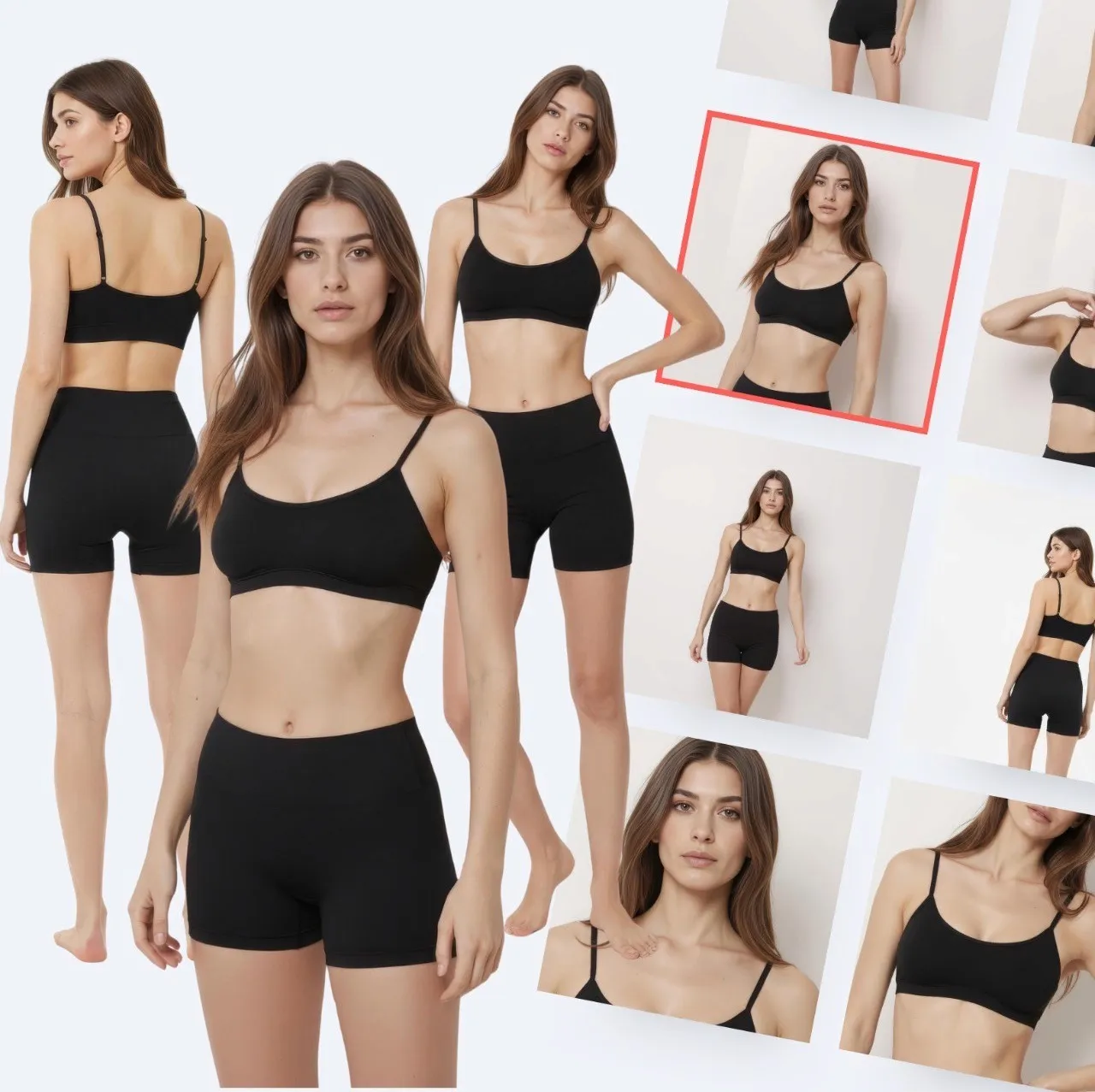
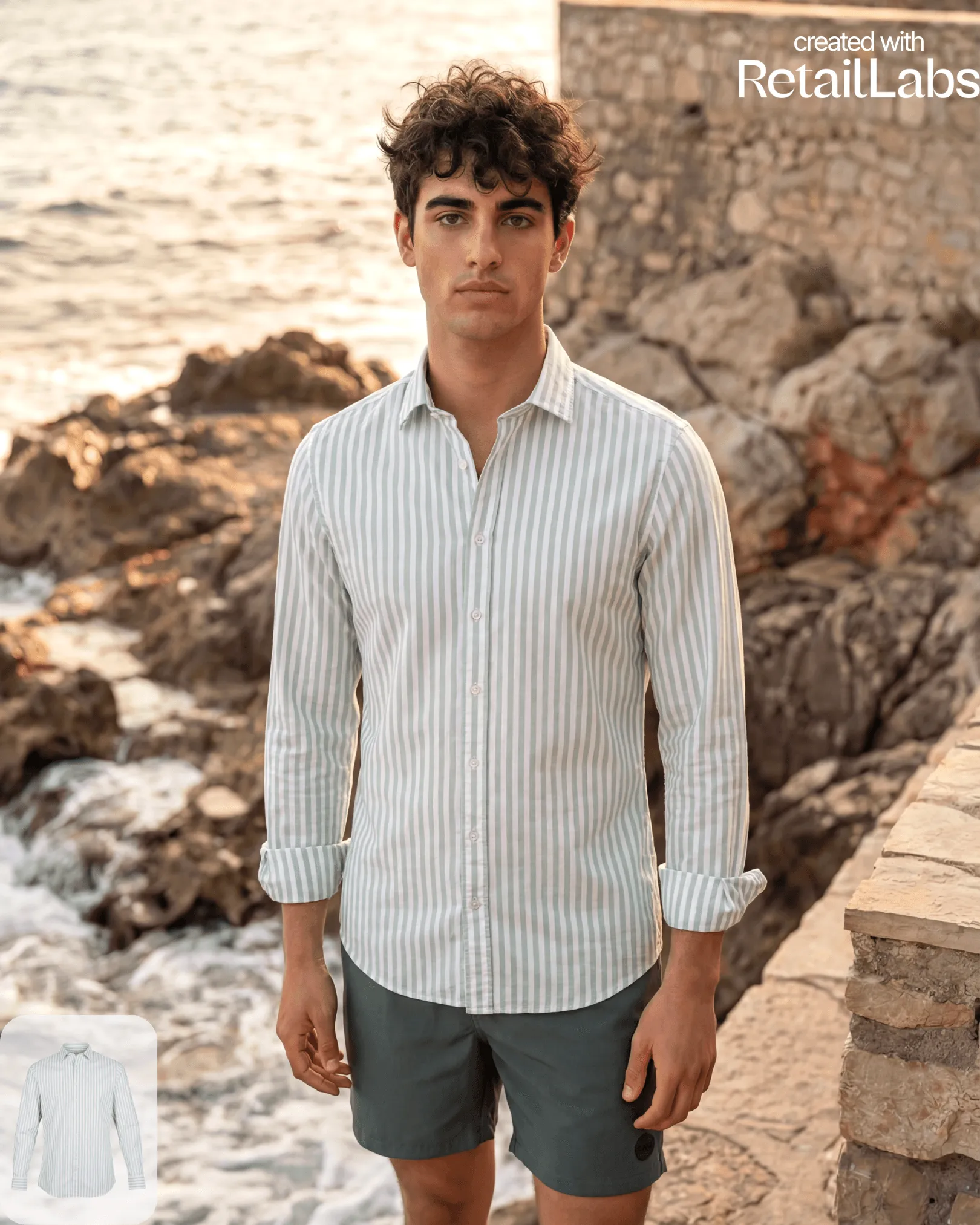
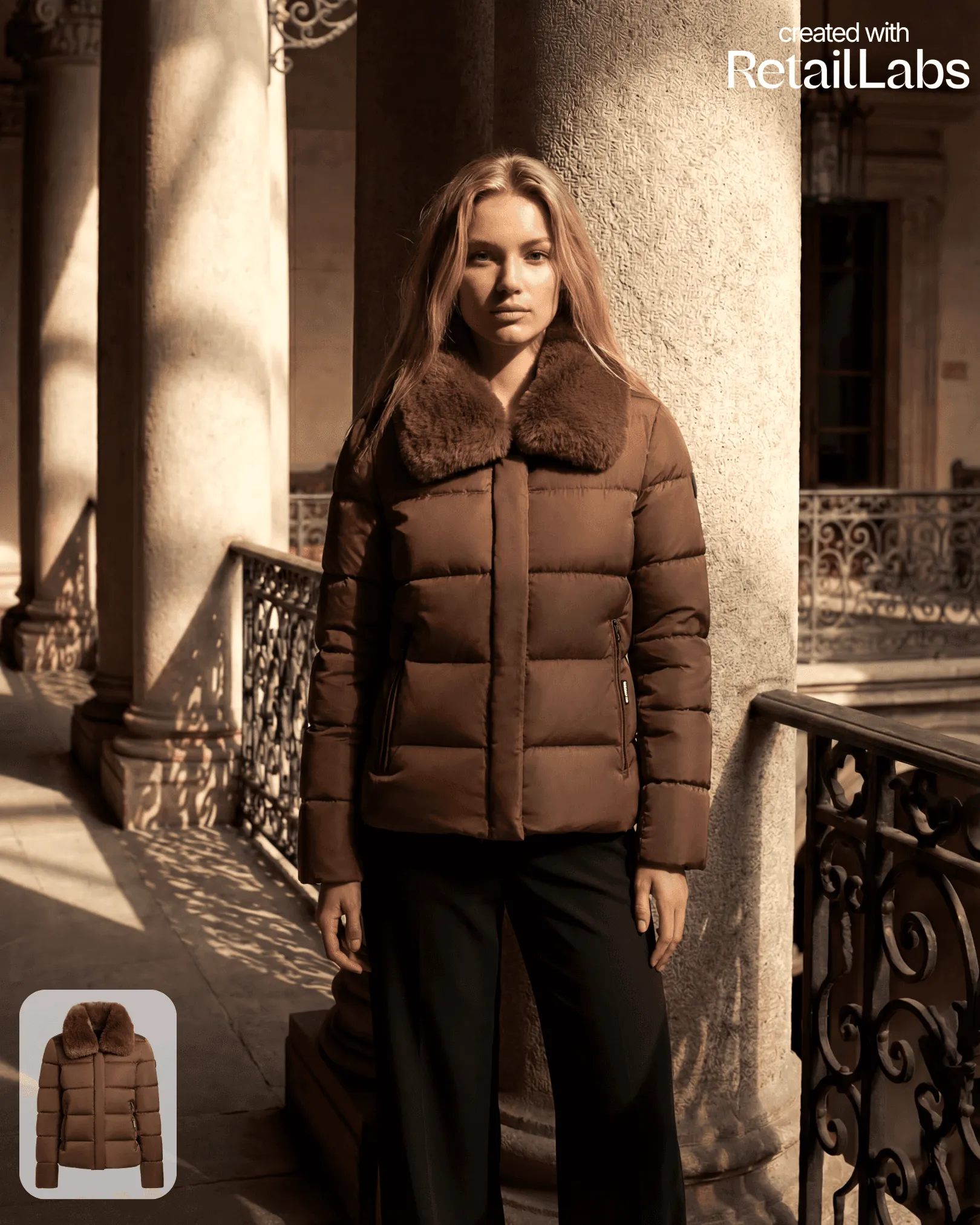
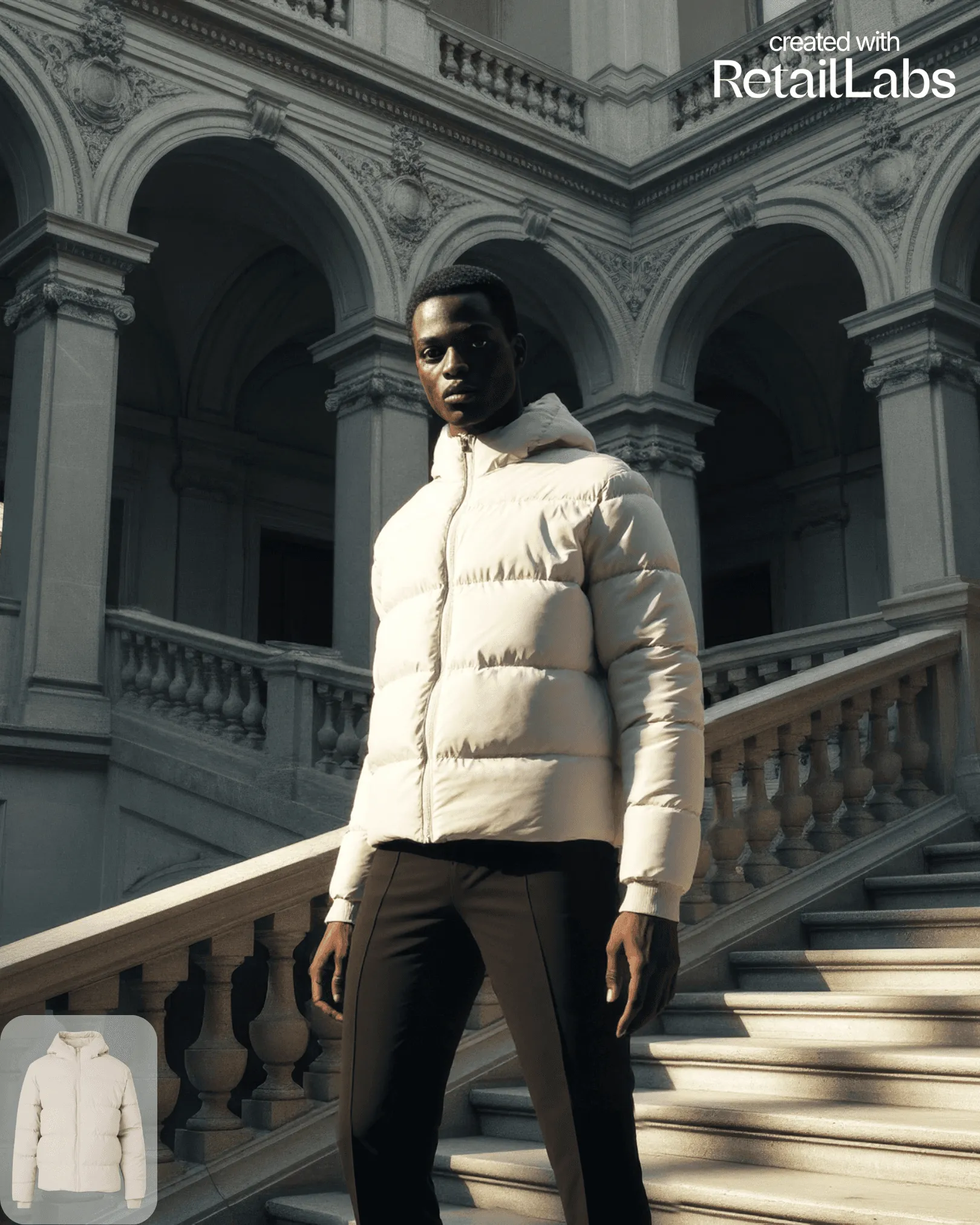
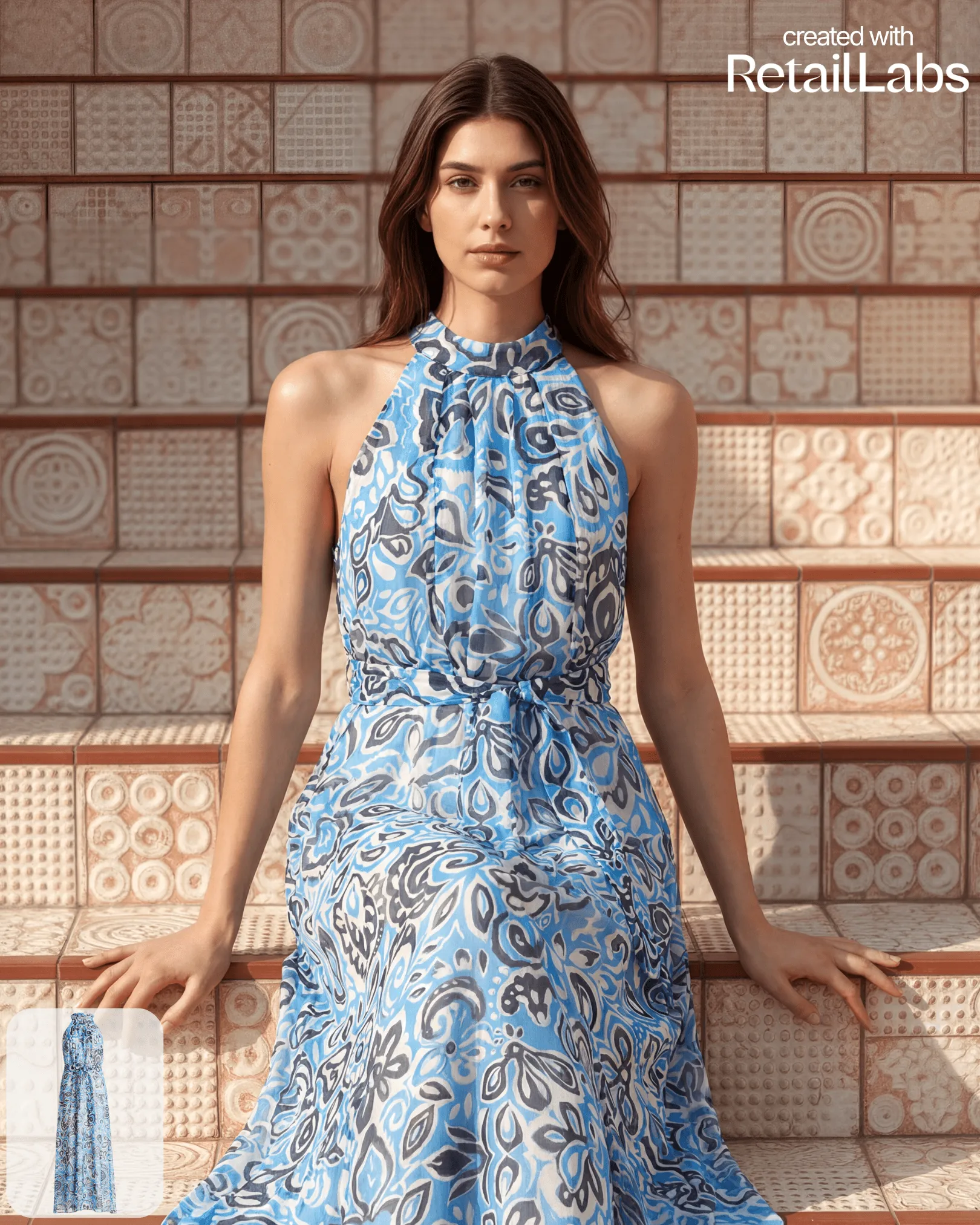
H&M has been one of the more public fashion adopters of AI models: specifically, digital twins of real human models, used with consent and a commercial agreement.
What’s a digital twin
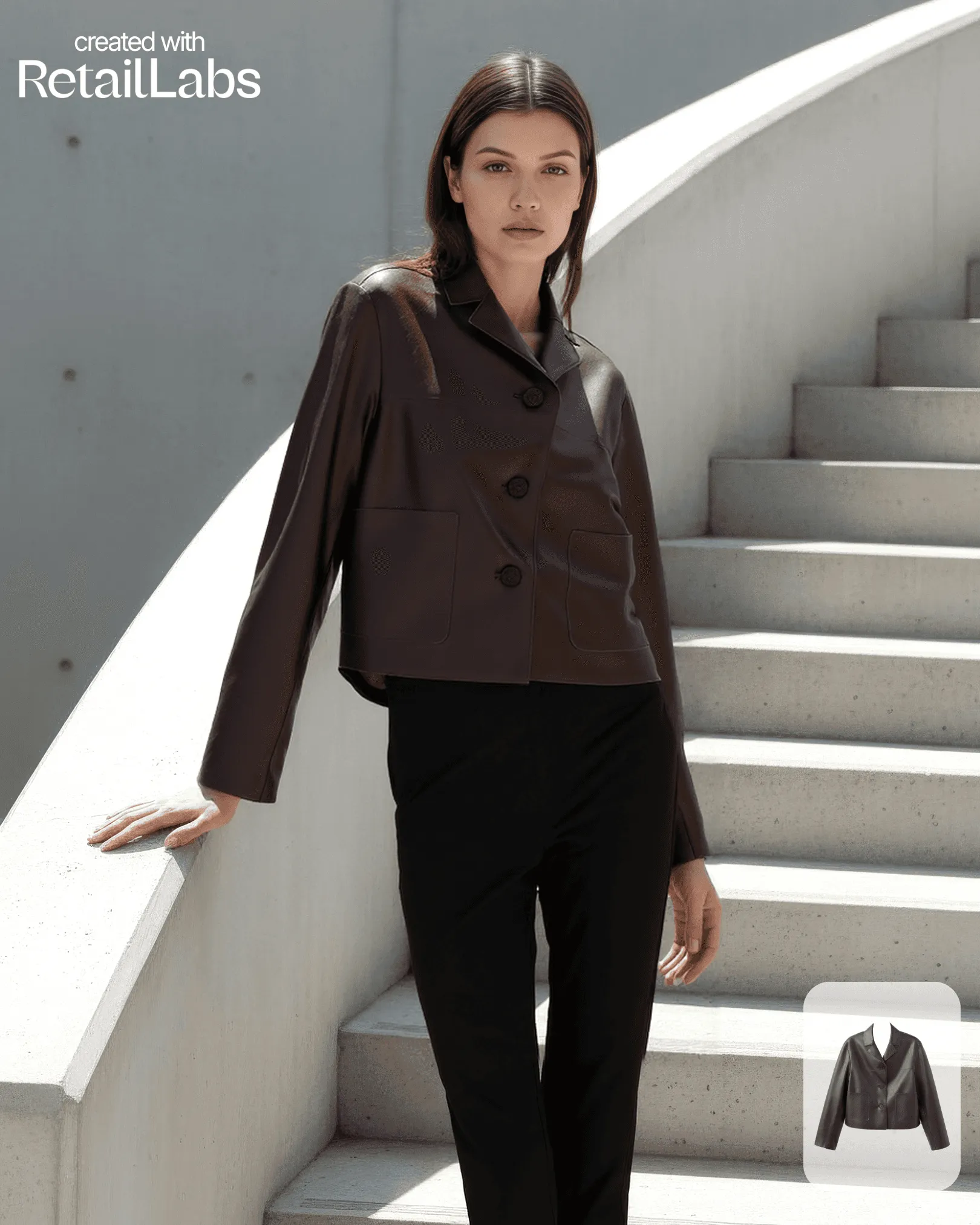
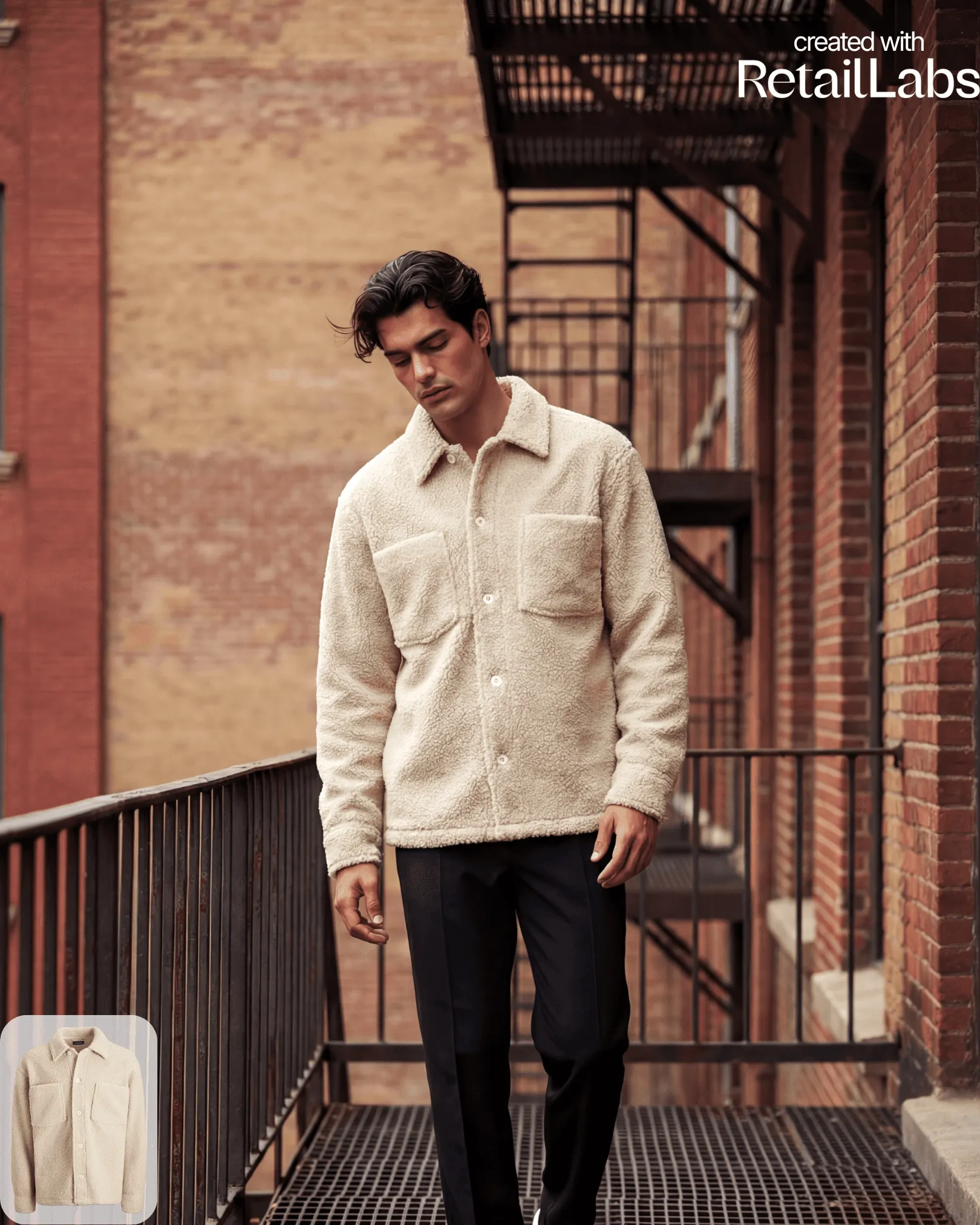
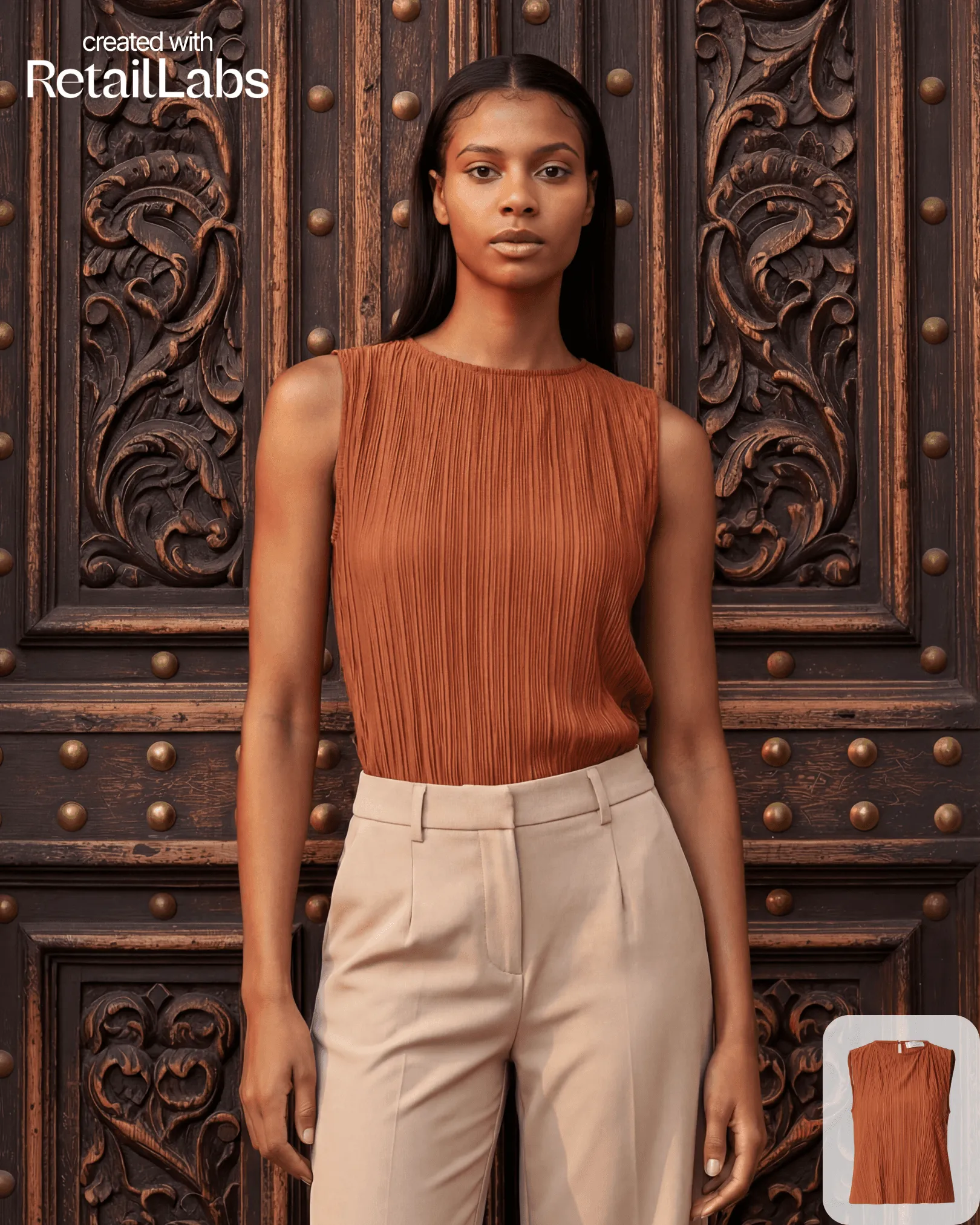
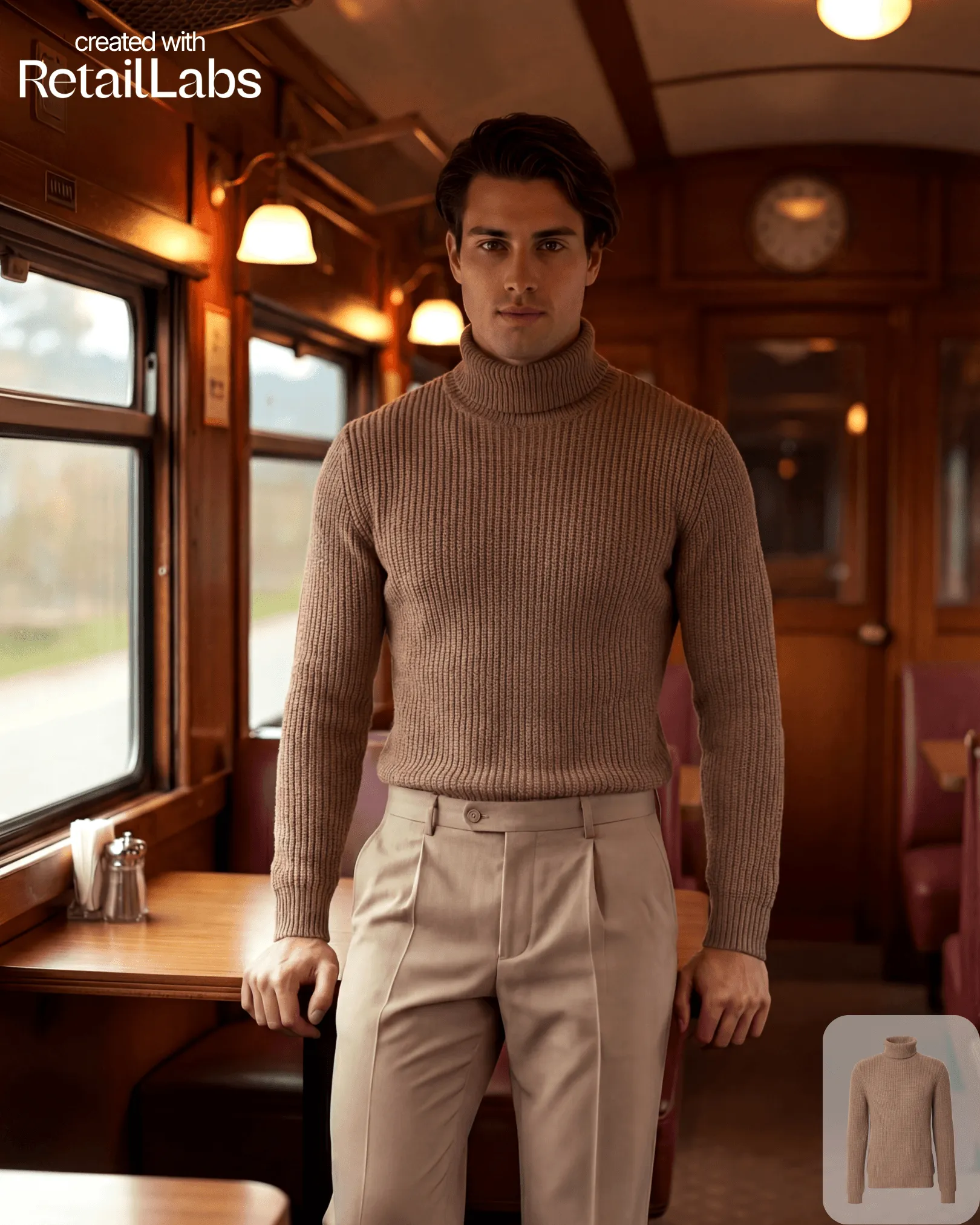
A digital twin is an AI-generated likeness trained on a real person’s images, used to produce new content of that person without re-shooting. The model still gets paid; H&M still gets unlimited variations on a known face.
What’s working
- Consistency. A twin gives the same face across hundreds of products without scheduling shoots.
- Speed. New collections can be shot in software, not on set.
- Consent-first. Every twin is built with explicit licensing terms, sidestepping the IP grey zones around fully synthetic models.
What’s risky
- Compensation models are still settling. Per-image royalties? Annual licenses? The market hasn’t standardised.
- Brand association. A twin used too widely loses the editorial premium of an exclusive face.
- Audience trust. Some segments are still uncomfortable with AI imagery, even when the source person consents.
The takeaway for other brands
You don’t need to build digital twins to benefit from AI imagery. Most brands need:
- A small library of consented, branded AI models (or twins of in-house faces)
- Background/scene libraries tied to their visual identity
- A pipeline that mixes AI-generated PDP imagery with human-directed campaign hero shots
Treat AI as a content multiplier on top of human direction, not a replacement for it.